

According to the NCBI, lower back pain affects around 1 in 6 UK adults at any given time. Sadly, as we age, these pains tend to become more permanent. The UKSSB states that back pain is the largest single cause of disability in the UK. With lower back pain accounting for 11% of the total disability of the UK population. Read our expert tips and advice to relieve lower back pain from sitting and prevent you from developing chronic back problems later in life.
What causes back pain when sitting down?
There are lots of different reasons for getting backache, but a common cause is not sitting down properly.
The way you sit may be adding excess strain onto your spine. This can cause your spine to curve forwards or sideways unnaturally, causing lower back pain. This puts abnormal pressure on ligaments, muscles and tendons, resulting in aches and pains. It also means that the weight of your head, shoulders and chest is not evenly distributed. Contributing further to lower backache.
Plus, this can increase pressure on your heart, lungs and stomach, leading to other medical problems.
Comfort posture
Many of us develop what is known, in Occupational Therapist circles, as a “Comfort Posture”. This refers to the most comfortable position we adopt in a particular seat. If your usual furniture doesn't support you in the way that it should, then your “comfort posture” will be heavily impacted.
In other words, think back to when you went away on holiday, or you stayed at someone else’s home. Did you find it an odd, even painful, experience to get used to a different bed or chair? This is because your muscles (and brain) learn the most comfortable position to be in. When we go somewhere new, our muscles are then challenged and put under new forces whilst we try to find our new “comfort posture”.
How to stop back pain from sitting:
1. Be aware of how you sit
To help stop lower back pain, be aware of how you sit and know what good posture is. Not sure where to start? Here’s a quick test to check:
1. Stand with the back of your head against a wall
2. Place your heels six inches away from the wall with your buttocks and shoulders touching the wall
3. There should be less than two inches between your neck and the small of your back and the wall
4. A larger gap indicates poor posture and a curving spine, which can make your lower back hurt when sitting
We recommend making your posture an intrinsic part of your everyday thinking. Making you aware of how to limit any backache and pains caused by poor posture.
2. Sit less and move more
Sitting down is something that everyone does. Unfortunately, prolonged sitting has been linked with several health concerns like increased blood pressure, obesity, and heart disease. Ideally, we should try to sit less and move more. If you spend lots of time sitting down due to health, employment or other lifestyle factors, try to incorporate regular walk breaks into your day if you are able to.
If you spend lots of time sitting down, it’s essential to have the right chair or sofa to help your body rest well and move better – and most importantly – reduce lower back pain when sitting.
3. Find supportive furniture
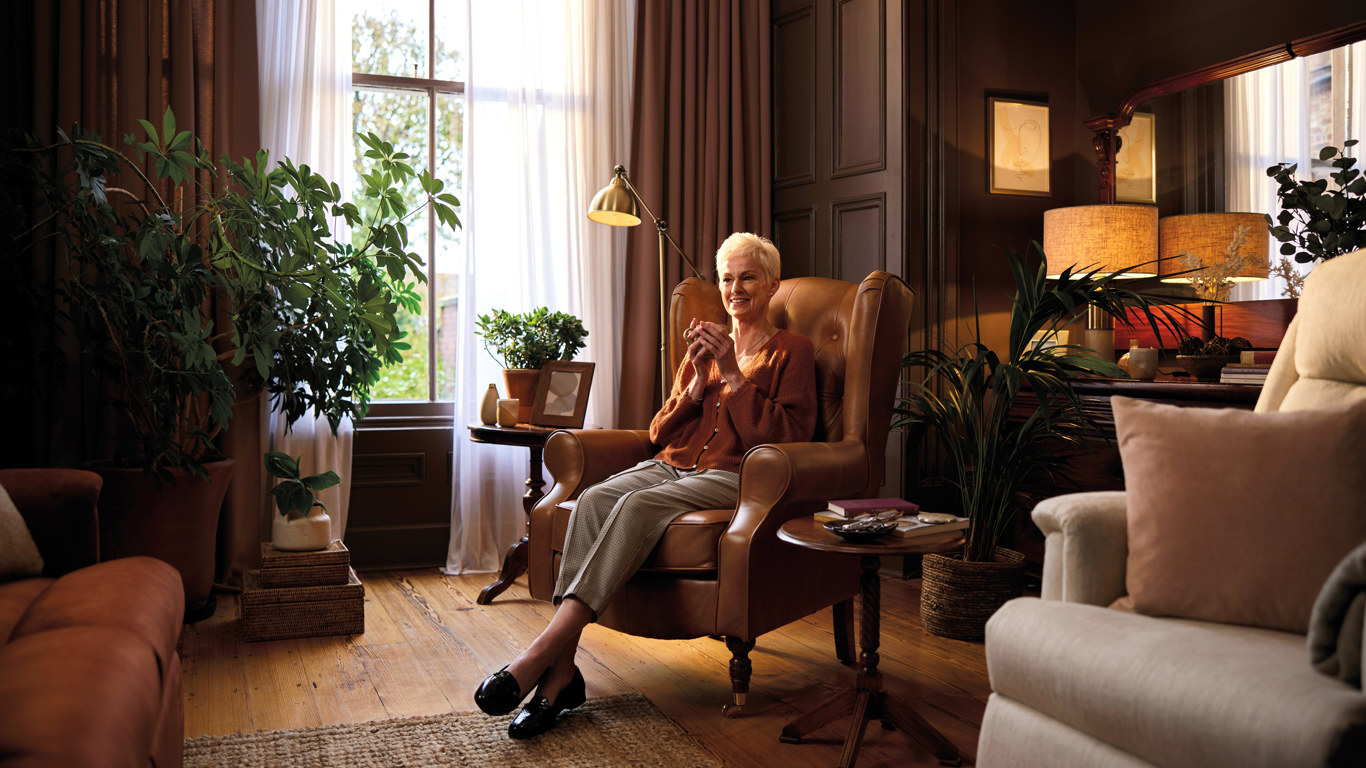
Your furniture is such an important part of making sure that your sitting posture, or “comfort posture”, is correct. You need to choose a chair or sofa that will fully support you and help to prevent or relieve backache.
Our independent Occupational Therapist, Julie Jennings Dip COT HCPC, says, “when sitting down, we should continue to support the natural contours of the spine by distributing weight evenly and appropriately across other parts of the body, without placing excessive strain on other joints, muscles or ligaments.”
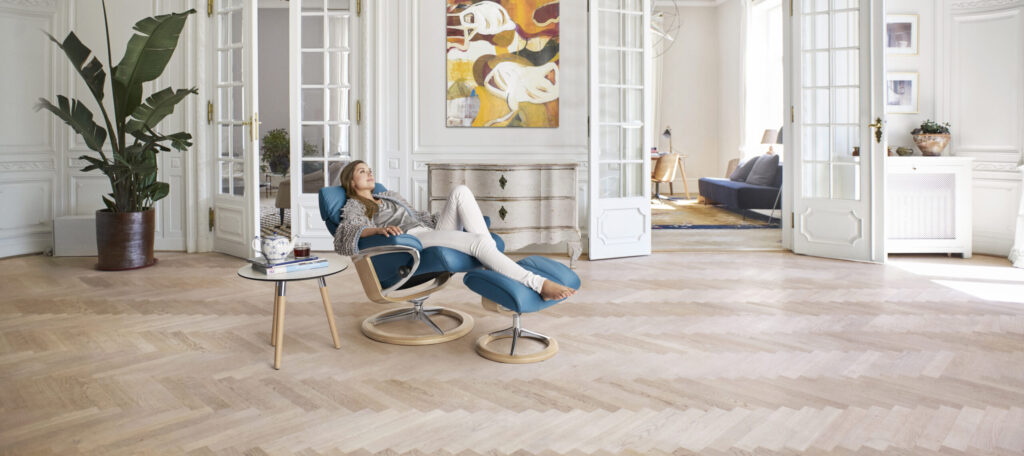
We recommend a rise and recline chair. With a dual motor, take pressure off your back and joints to provide pain relief.
The benefits of rise and recline chairs
Riser recliners are the best chairs for back pain, offering enhanced comfort and mobility by helping you to stand up and recline back with ease. The rise function gently tilts the chair forward, helping you to transition from a seated to standing position without any strain or effort – especially beneficial for people with limited strength or mobility.
The recliner mechanism allows you to adjust the chair back to your preferred position, whether you like your chair fully reclined. That means you can get personalised comfort and support, relieving aches and pains in your neck, back, shoulders and lower back.
What to look for when buying a rise and recline chair
Our Chair Finder can also help you to find the right chair for you. If you can’t get to one of our showrooms, we can come to you. We’ll bring a selection of chairs for you to try out at home and offer friendly, expert advice with no pressure to buy. Simply request a home visit, and our Comfort Specialists will be delighted to provide the same amazing service as you’d expect in our showrooms.
It’s important to choose a chair that fits you properly to help relieve back pain. Getting the right comfort and support can only be done when you get a chair that fits your body – that’s why we recommend our chair fitting service. Our Comfort Specialist will take you through a chair fitting, explaining the importance of each point of contact behind the chair and your body, to ensure you get the right fit for you and your posture.