


As the British summertime bursts into view, the weather is getting warmer and we’re experiencing more heatwaves. Because of this, it’s getting harder to stay cool in hot weather, and no matter how many fans are at the foot of the bed, the UK’s infrastructure isn’t made for hot weather.
Excessive heat in our homes can make us feel uncomfortable and when there’s a heat warning outside, there’s nowhere for us to go to cool down.
So, as the summer season continues, find our tips and advice on how to survive UK heatwaves.
How to cool down whilst out and about
After months of cold and rain from winter, the hot weather encourages us to take day trips out, whether to the beach, a hike or shopping. If that’s the case, here are some handy tips to remember:
- Wear a sun hat or cap and carry a bottle of water with you
- Wear light-coloured, lightweight cotton clothing to help keep you cool
- Wear sunglasses that have a CE mark and UV400 label
- Apply SPF 30-50 sun cream regularly to any spots that are exposed to the sun
- Keep an eye on the weather forecast and check the UV levels for the day. Remember, even on cloudy days, the UV levels can be high
How to stay cool whilst at home
If going outside feels a little too much, and the heat feels just a little too hot, here are a few ways to stay cool whilst you stay comfortable at home.
- Have your windows open during cooler times, such as in the early morning and late evenings, and closed during peak heat periods
- Keep blinds and curtains closed during the day to block out the heat
- Keep a bottle of water by your side and hydrate consistently throughout the day
- The heat can cause reduced appetite, so make sure you continue to eat and snack on water-rich foods, such as cucumber and watermelon
- If you take medication, Age UK suggests keeping it stored in a cool, dry place below 25°C and away from direct sunlight
How to stay cool at night
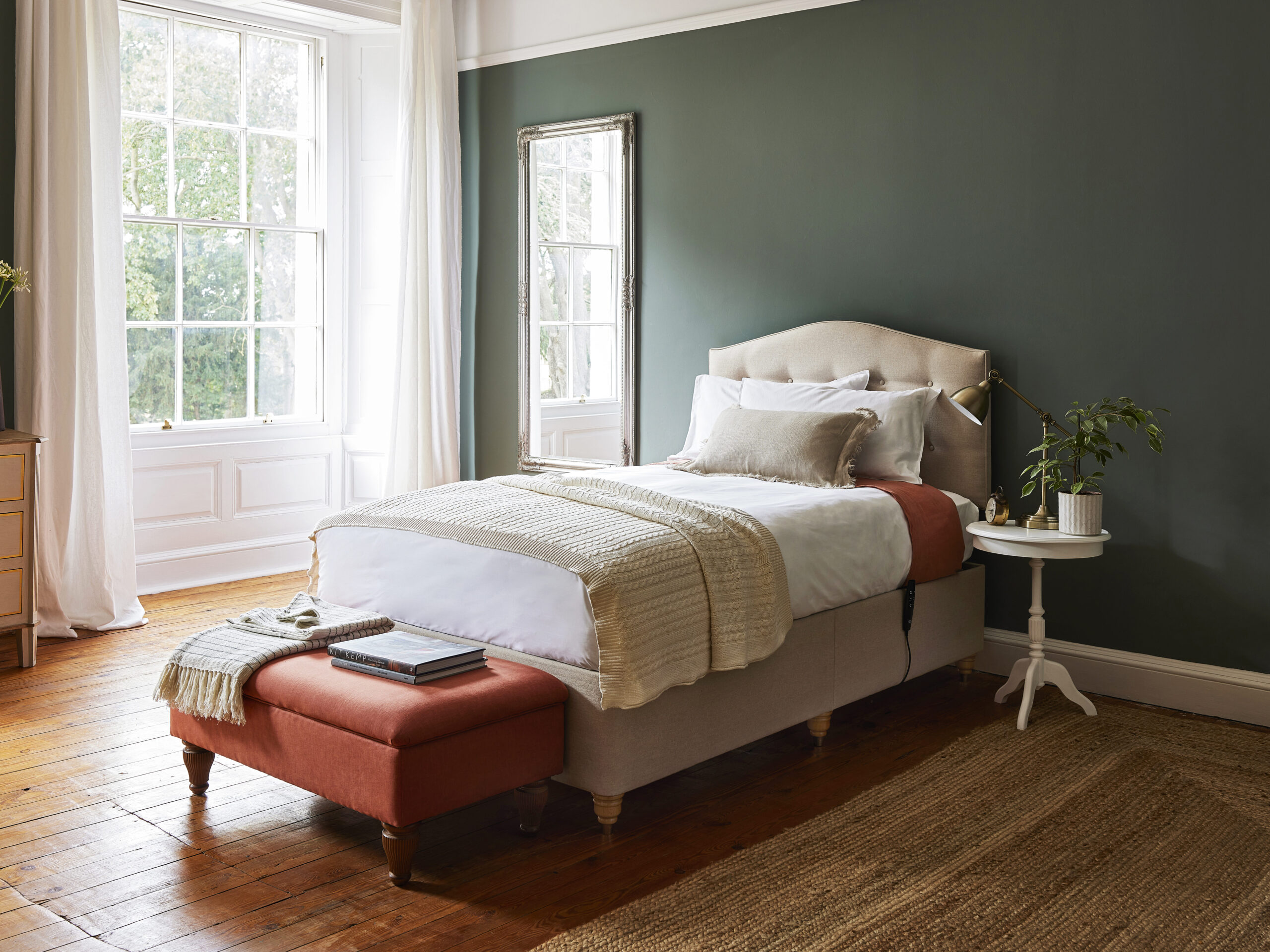
When it’s been scorching outside, trying to sleep at night can feel unbearable. Sleep is especially important in hot weather as your body is using more energy to regulate body temperature.
- Switch your winter duvet out for thinner, summer bedding
- Sleep in loose-fitting clothes made from breathable materials like cotton or linen
- Keep a glass of water by your bedside to stay hydrated throughout the night
- Have a cool shower to lower your body temperature before getting into bed
- If your room hasn’t cooled down, sleep on the lowest level of your home
- For more advice and information, check out our 10 tips for sleeping in the heat.
How to tell if you’re dehydrated or overheating
It is vitally important to drink enough water throughout the day. The NHS suggests around 1.5L to 2.5L of fluids per day, increasing this intake during extreme heat. Signs you’re dehydrated or overheating include:
- Cramps in your arms, legs or stomach
- Experiencing mild confusion, feeling tired or having sleep problems
- Passing dark or strong-smelling urine
What is heat exhaustion?
Heat exhaustion is caused by spending long periods of time in the heat and usually makes people feel unwell and tired. Symptoms for heat exhaustion should improve within 30 minutes. Other symptoms include:
- Dizziness
- Nausea or vomiting
- Headaches
- Heavy sweating
- A fast pulse
What is heatstroke?
Heatstroke and sunstroke are often used interchangeably. However, heatstroke refers to overheating caused by high temperatures, whereas sunstroke is caused by prolonged exposure to direct sunlight. Heatstroke develops if heat exhaustion is left untreated and can develop suddenly and without warning. The symptoms include:
- Confusion
- Disorientation
- Fast breathing and a fast heartbeat
- Loss of consciousness
- Seizures
How to prevent heatstroke
Keeping yourself safe in the heat is important for your safety, even if the sky looks cloudy there are still risks. Here are simple ways to prevent heatstroke symptoms:
- Take frequent breaks from the sun in the shade
- Stay hydrated with water
- Avoid exercising in peak heat
- Have breaks from reflective surfaces, such as water and concrete
- Check if you’re a high-risk individual, such as babies, young children and older adults
How to treat heat exhaustion or sunstroke
If you believe you or someone you know is experiencing either heat exhaustion or sunstroke, follow these 4 steps:
- Move them to a cool, shaded place
- Remove any unnecessary clothing items, such as a jacket or socks
- Give them plenty of water to drink or an isotonic sports drink to replace salts lost through sweating
- Cool their skin down by spraying or dabbing them with cool water and a fan.
If you or someone else you know shows symptoms of heat exhaustion or sunstroke that you’re struggling to treat, call 111. Heatstroke is a life-threatening condition. If you or someone else you know shows symptoms of heat stroke, call 999.
For more information, check out the NHS website.
How HSL can help
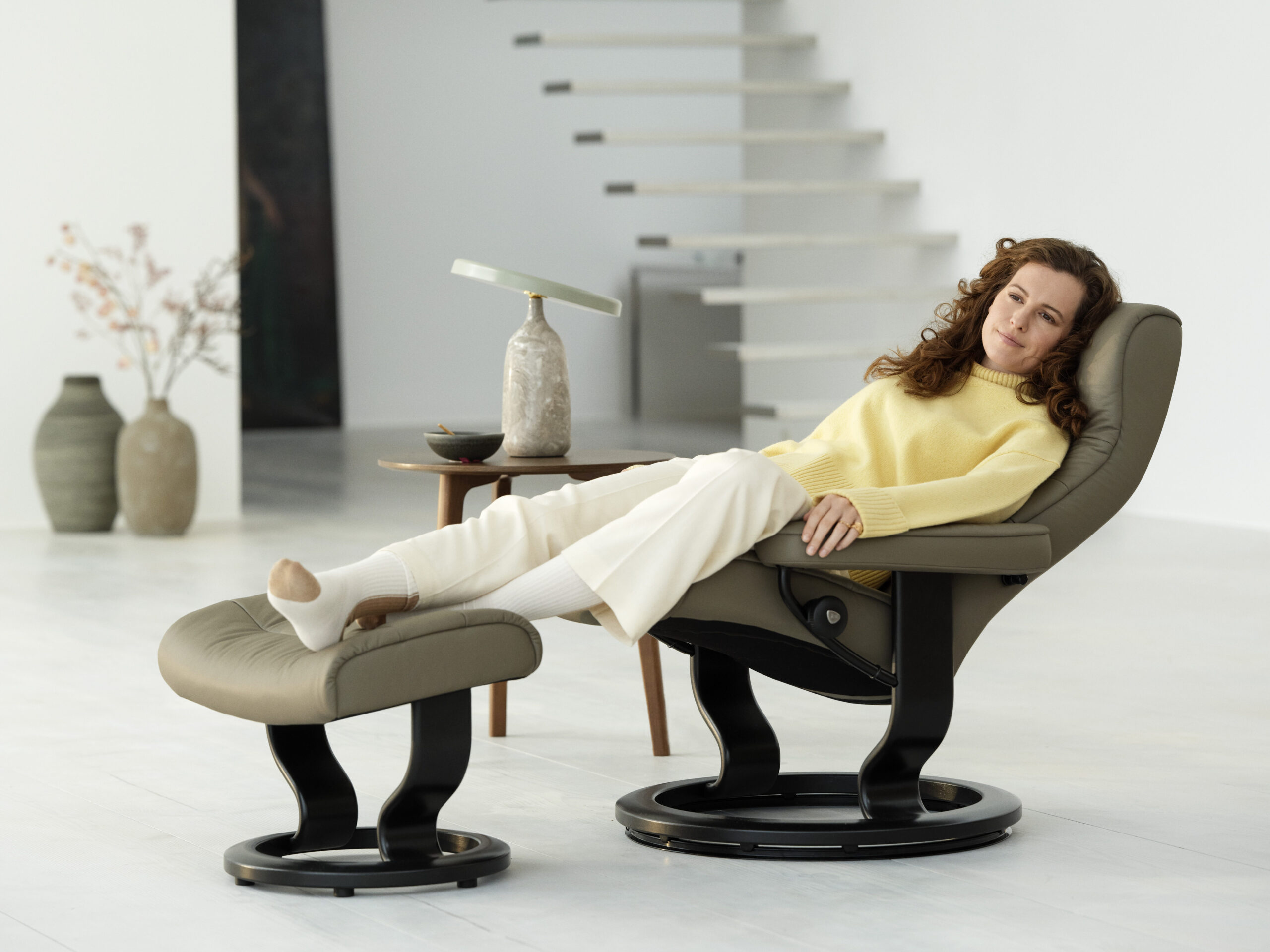
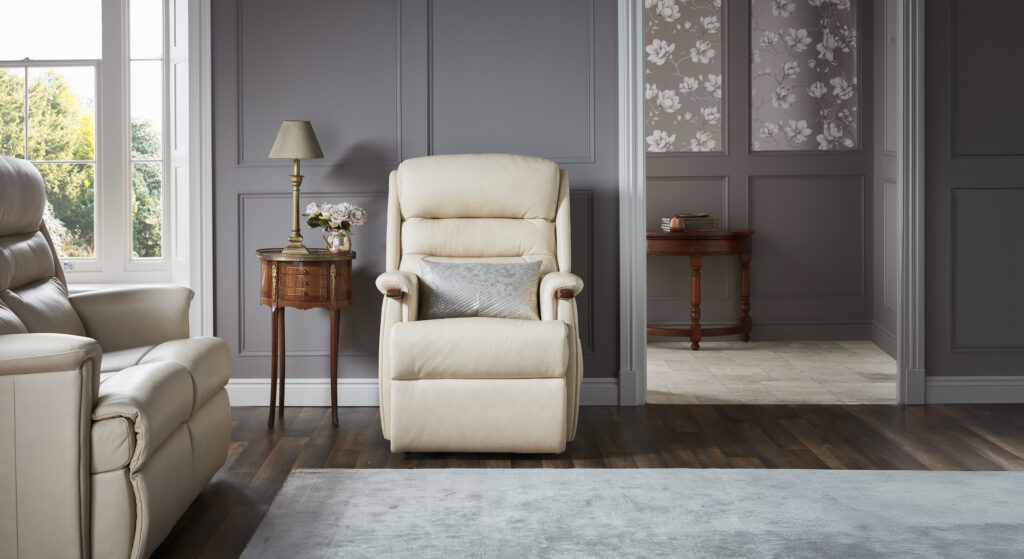
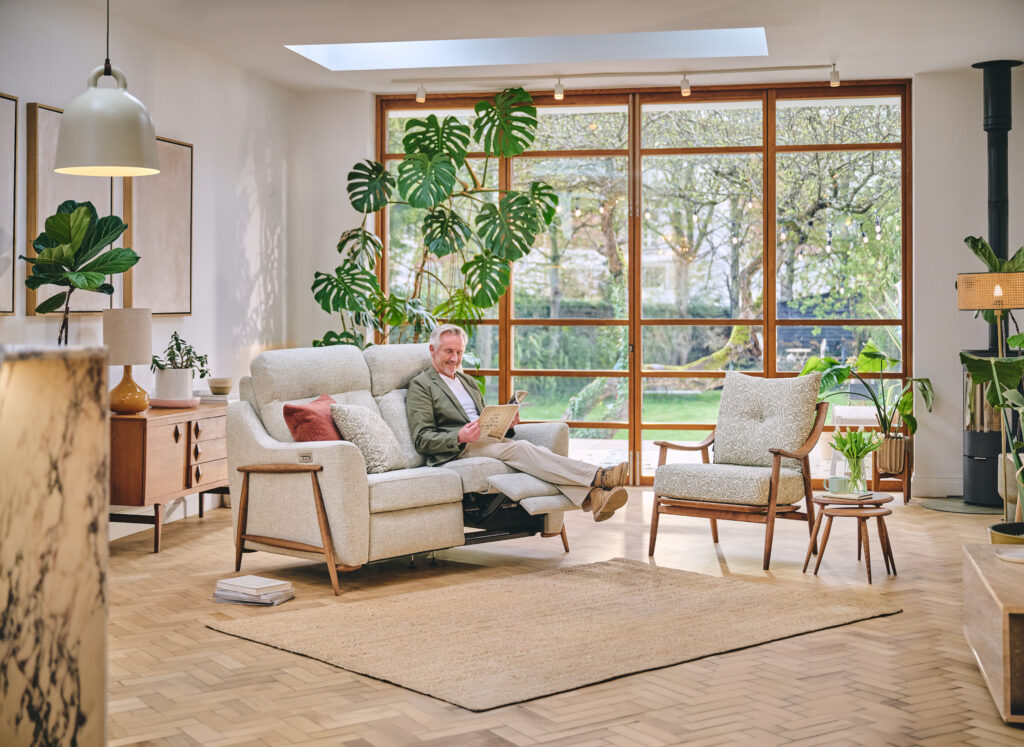
Furniture might not be your first cool-down spot, but with the right placement and fabric, your favourite chair can be the most comfortable, cooling space in your home.
Chairs such as Riser Recliners and Recliners which allow you to elevate your legs, can promote better blood circulation and help keep you cool by improving airflow around your body.
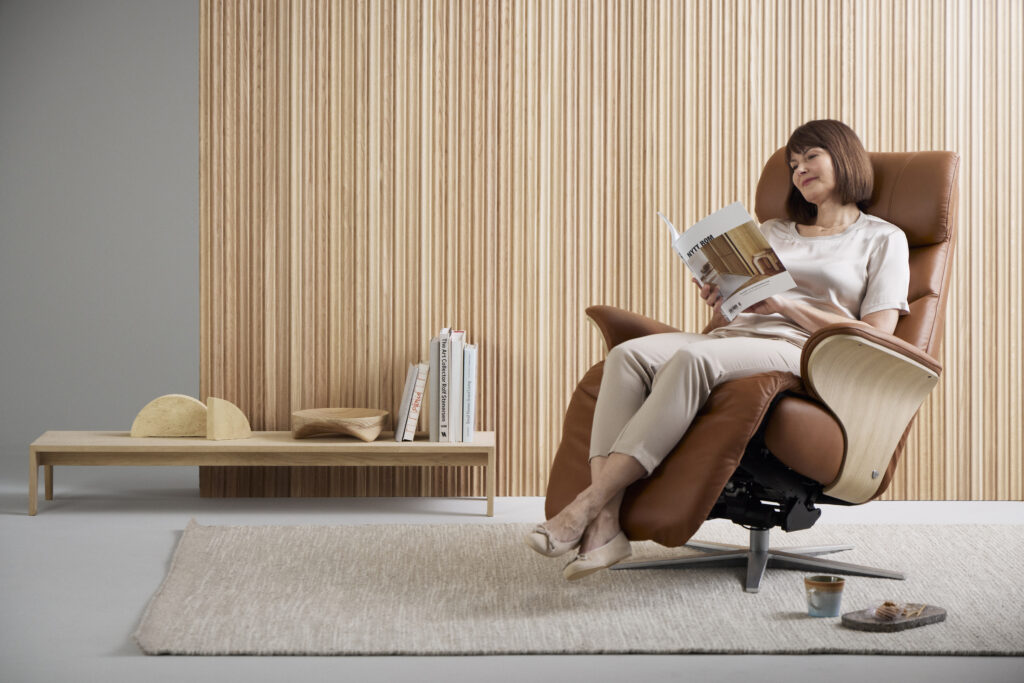
Other recliner options, including our Stressless® range and Swivel Chairs, can provide zero-gravity comfort, distributing your weight evenly, reducing your body’s surface area and promoting blood circulation.
Choosing breathable fabrics to complement your furniture, such as cotton and wool, helps your body avoid absorbing heat and allow air to naturally circulate between you and the chair’s surface. Check out our range of Fireside Chairs and Armchairs in a whole range of fabrics.
This summer, make sure you stay hydrated, have breaks from the sun and slow things down. Look out for warning signs that you’ve been out in the sun and heat too long and remember to wear your sunscreen.
For more summer-related articles, check out our Feel Good Hub: