


Caring for a grandparent often means looking for simple ways to make everyday life safer and more comfortable for them. From reducing trip hazards to choosing supportive furniture, a few thoughtful changes can make a real difference to their wellbeing.
In this guide, we share practical tips for creating a safer home without losing any warmth or personality. We also explain how to approach these conversations sensitively, so your grandparents feel supported and involved throughout the process.
We’ll cover how to:
- Reduce common trip hazards
- Improve lighting around the home
- Choose supportive seating
- Keep everyday items within reach
- Create safer walking routes
- Balance comfort, safety and style
Why home safety matters as we age
If you are wondering how to make a home safer for older people, it is often best to start with small, practical changes that support daily routines.
As we get older, changes in balance, strength, eyesight and mobility can make everyday tasks more difficult. Low furniture may be harder to get up from, dark hallways may feel less reassuring, and familiar items such as rugs or side tables can become obstacles.
These changes may happen gradually or more suddenly, and adjusting to them can feel unsettling. If you’ve started to notice this, it’s important not to lead with solutions first. Instead, ask your grandparents how they are feeling and whether anything could be made easier for them.
Reassure them that the aim is to support their independence, not take it away. Listen to their point of view, agree on small steps together and be prepared to revisit the conversation, so they remain at the centre of every decision.
6 steps for creating a safer home
1. Start by removing common trip hazards
One of the simplest home safety checks is to look closely at the floor.
Walk through each room and look for anything that could catch a foot or walking aid. Pay particular attention to stairs, hallways, doorways and the space around a favourite chair.
You may need to:
- Remove loose rugs or secure them with suitable non-slip underlay.
- Tidy away trailing electrical wires.
- Keep shoes, bags and other items away from walking routes.
- Move small pieces of furniture out of narrow spaces.
- Clear clutter from stairs and hallways.
- Check carpets for curled, frayed or uneven edges.
Make these changes with your grandparents rather than moving belongings without asking. Some items may hold special meaning, so work together to find a safer place for them.
2. Make sure lighting is bright and easy to reach
Good lighting can make it easier to see furniture, steps and changes in floor level. It can also help your grandparents feel more confident moving around their home.
Check hallways, stairs, bedrooms and bathrooms, paying particular attention to routes used at night. Place bedside lamps within easy reach and make sure light switches are not blocked by furniture. Night lights or motion-sensor lights can also help brighten darker areas.
Reading spaces should be well lit without creating uncomfortable glare. It is also worth checking for shadowy corners near chairs, tables and steps.
Lighting does not need to feel harsh. Warm lamps and soft shades can improve visibility while keeping the room calm and welcoming. Age UK also recommends night lights and motion-activated lighting as useful home adaptations.
3. Choose supportive seating that is easy to use
Seating plays an important role in comfort, posture and mobility support at home.
A chair that is too low, overly soft or the wrong size can make sitting down and standing up more difficult. Your grandparents may sink too far into the seat or need to use more effort to rise.
When looking for comfortable chairs for elderly people, consider more than soft cushioning. The chair should support the body in the right places and suit the person using it.
Look for:
- A supportive back that encourages a comfortable sitting position.
- A suitable seat height for getting in and out.
- Stable arms that offer support when sitting or standing.
- Enough space for the feet to rest comfortably on the floor.
- Firm cushioning that does not sink too deeply.
- Support for the head, neck, shoulders and lower back.
When choosing high back chairs for elderly family members, consider the whole chair rather than the back height alone. Seat depth, width, arm position and cushioning can all affect how supportive it feels.
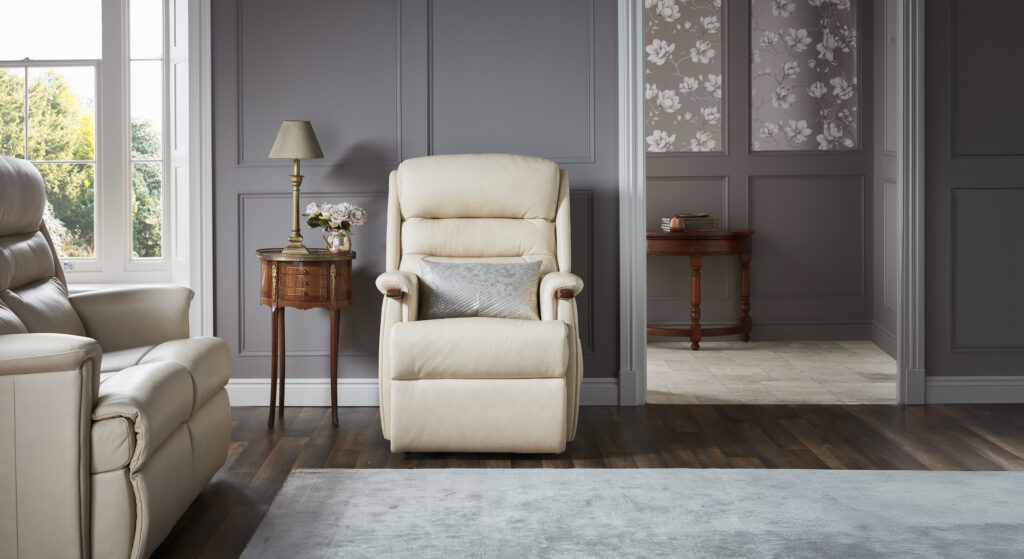
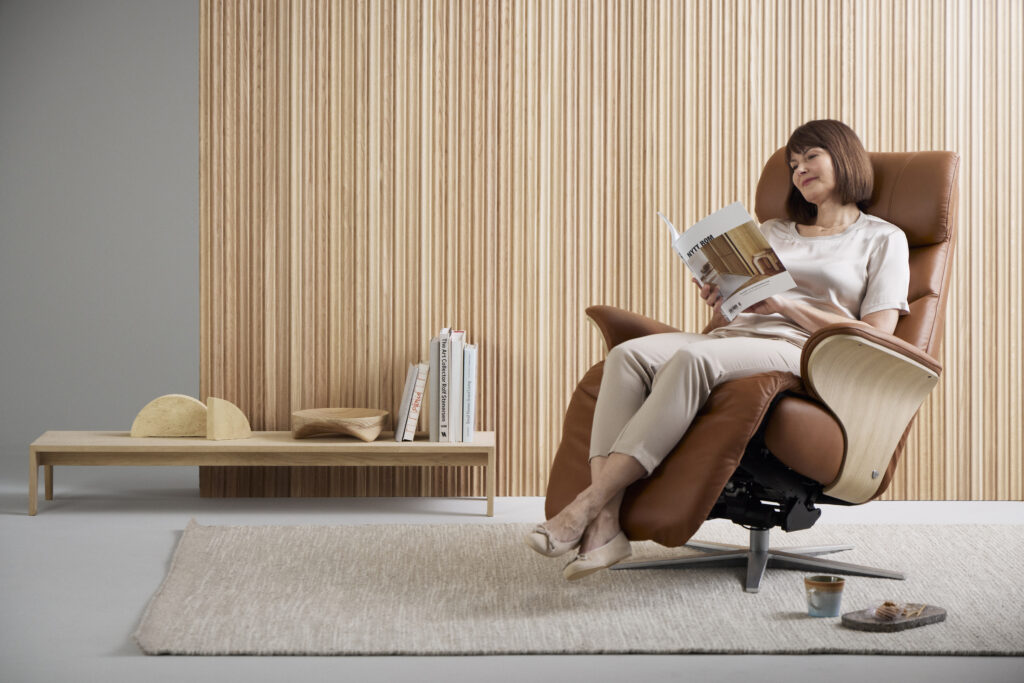
For grandparents who find standing more difficult, riser recliner chairs may be helpful. These chairs gently raise and tilt the seat, bringing the user closer to a standing position. They can also provide adjustable support when resting or relaxing.
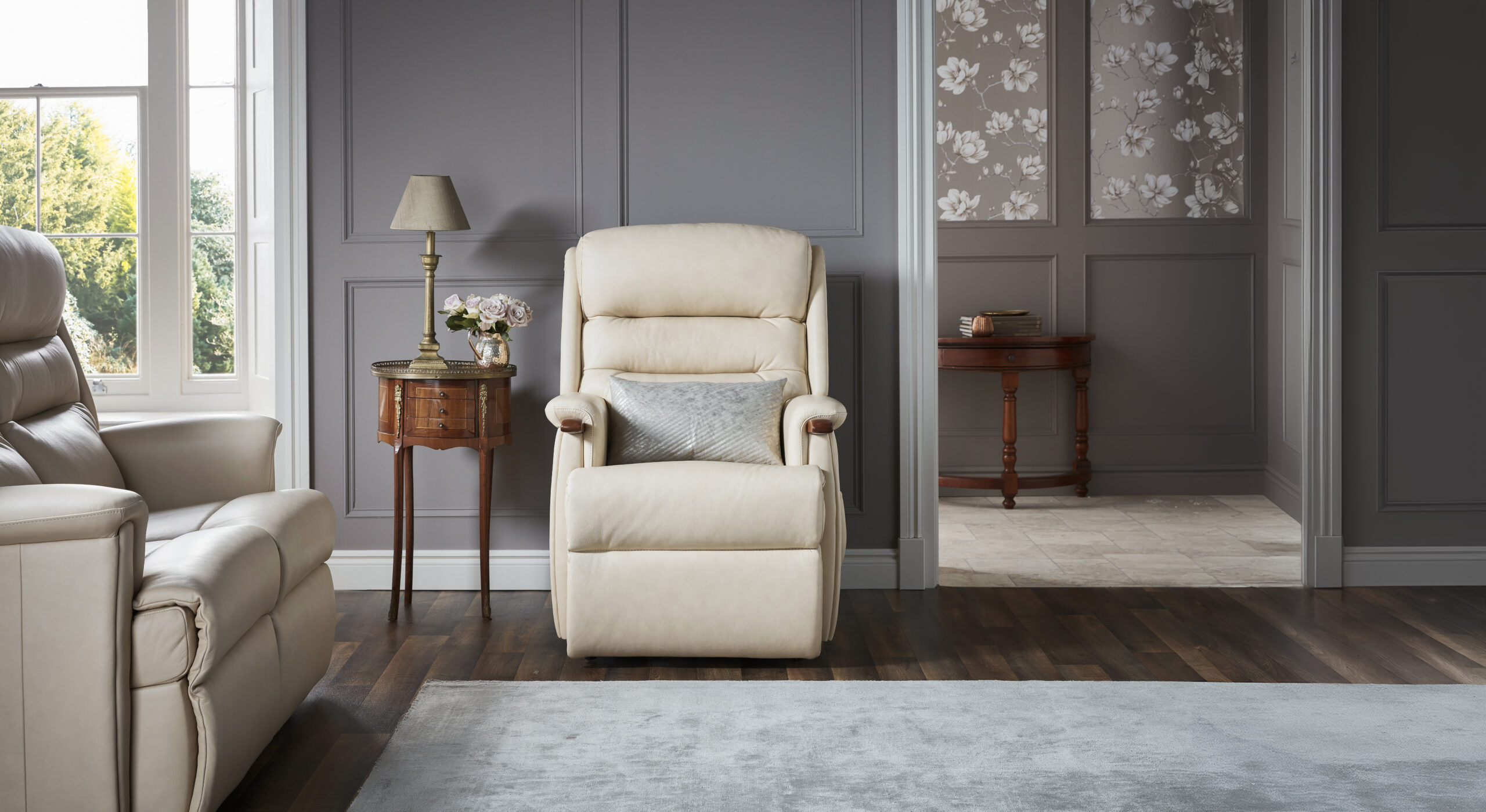
HSL chairs are designed around real comfort and support requirements. They are backed by science and are Occupational Therapist approved. We also offer a personalised Chair Fitting service to help you find furniture suited to your grandparents’ individual comfort needs.
4. Keep everyday items within easy reach
Stretching, bending or climbing to reach everyday items can increase the risk of an accident. Moving frequently used belongings to waist or chest height can make daily routines easier.
These might include:
- Glasses
- Phones
- TV remotes
- Books
- Medication
- Cups
- Blankets and cushions
- Frequently used kitchen items
Medication should always be stored safely and according to its instructions. However, it should not be kept somewhere that requires your grandparents to climb or reach into a high cupboard.
A stable side table beside a favourite chair can keep essentials such as a drink, phone and glasses close by, but make sure it does not block the walking route. A small basket or organiser can also help keep items tidy and prevent them from ending up on the floor.
5. Create safer routes around the home
Think about the routes your grandparents use most often, such as the path from their favourite chair to the kitchen, bedroom, bathroom or front door.
Gently walk through these areas and look for narrow gaps, uneven thresholds or furniture that makes movement more difficult. Leave enough space between chairs, sofas and tables, and avoid placing coffee tables too close to seating. Walking routes should also be wide enough for any mobility aid they use.
Check that changes in floor level and door thresholds are easy to see and move across. Where needed, correctly fitted handrails can provide extra support beside stairs or steps.
Home adaptations for older people doesn’t mean removing everything from the space. Thoughtful furniture placement and clear walking routes can provide valuable mobility support at home, helping your grandparents move around with greater confidence.
6. Think about comfort as well as safety
A safer home should still feel like home.
Your grandparents should be surrounded by colours, fabrics and belongings they enjoy. Making a space safer does not mean replacing everything with plain or clinical-looking furniture.
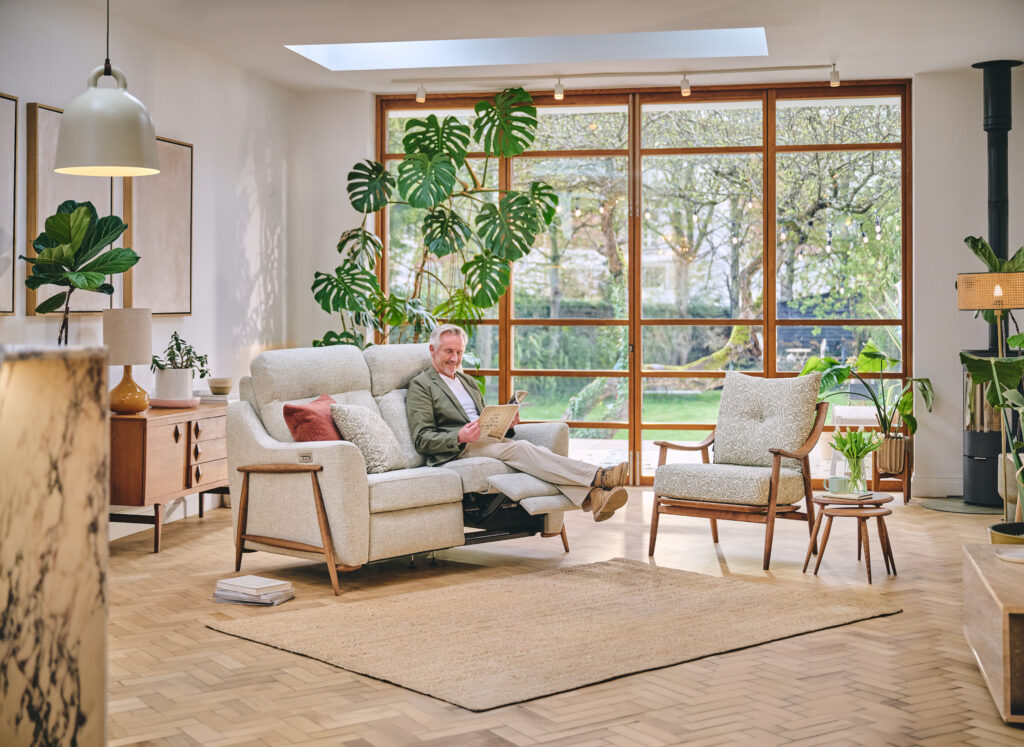
Choose supportive armchairs that suit the size and style of the room. Look for colours and fabrics that complement existing curtains, carpets and décor.
Cushions can add comfort and personality, but too many may affect the support or stability of a chair. Keep favourite blankets close by, while making sure they cannot trail onto the floor.
Family photographs, books, flowers and treasured ornaments can also help the room feel like home. Simply place them where they can be enjoyed without creating clutter around walking routes.
Supportive furniture can still be elegant, soft and beautifully made. From classic patterns to fresh florals, there are many ways to combine style with everyday comfort. For more inspiration, explore our guide to decorating with floral fabrics.
When to consider extra support
There may come a point when small changes around the home are not enough. Your grandparents may find it harder to stand, feel less steady on their feet or become uncomfortable when sitting for longer periods. They may also start avoiding certain rooms because they are more difficult to move around.
In these cases, encourage them to speak to their GP, another healthcare professional or an occupational therapist. They can help assess their individual needs and suggest suitable support. It is especially important to seek advice if they have had a fall or recently started feeling unsteady.
Specialist furniture, such as a riser recliner, supportive chair or adjustable bed, may also help. The right choice will depend on the person, their home and their changing comfort needs.
Key takeaways
Making your grandparents’ home safer does not need to feel overwhelming. Simple changes, such as clearing walkways, improving lighting and keeping everyday items close by, can make daily life easier.
Supportive furniture can also help improve comfort, mobility and confidence while still reflecting their personal style.
By involving your grandparents in each decision, you can create a home that feels safe, familiar and truly theirs. For more advice, read our guide to understanding mobility issues in older people.