

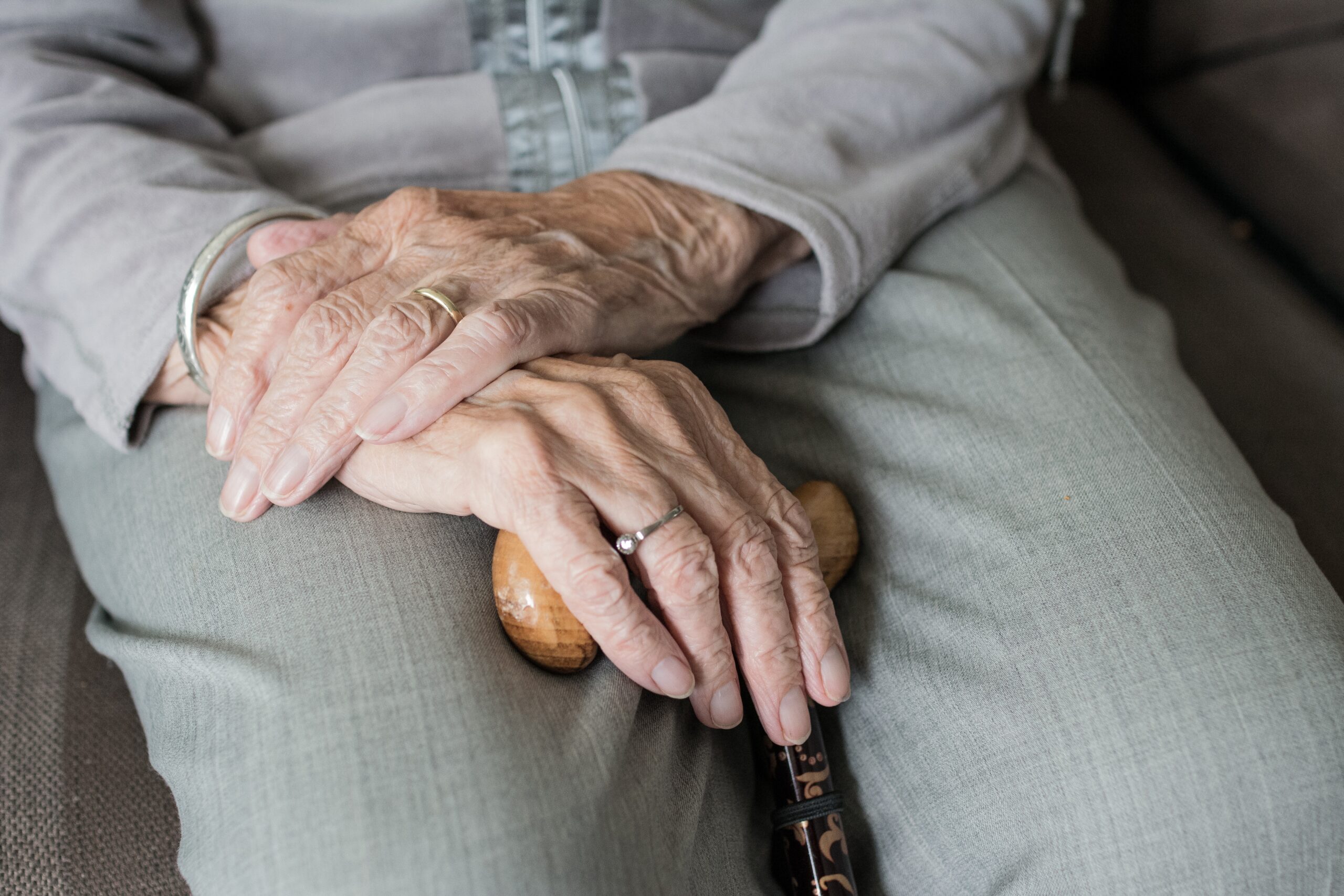
As we grow older our bone density weakens, whether naturally or because of a health condition, such as Osteoporosis. Looking after our bone health is extremely important for later life to prevent falls and broken bones.
Royal Osteoporosis Society explains how your genes determine what the potential size and strength of your skeleton will be and that your bone tissue is alive and constantly changing throughout your life. Despite these two things, there are still things you can do to help your bones stay strong and healthy.
Support your bones
To support your body as it builds and maintains your bones, you can:
- Eat a well-balanced and healthy diet
- Stay physically active
- Contact your healthcare provider if you believe you’re at risk of osteoporosis
Think you’re at risk? Use ROS’s checker to identify any risk factors.
Other lifestyle changes include:
- Exercise for bone strength including weight-bearing training, resistance training, strength training and balance training.
- Focus on nutrients and consider supplements including Vitamin D and calcium intake. Increase your protein intake and maintain a healthy weight.
- Consider lifestyle adjustments including quitting smoking and avoiding excessive alcohol consumption.
If you’re getting older, have already been diagnosed with Osteoporosis or have a family member with the condition, it’s time to start considering making simple home adjustments to avoid future falls.
Since Osteoporosis makes your bones fragile, it’s important to prevent fractures. Make simple home adjustments, such as:
- Remove loose rugs and wires, and use non-slip mats in the bathroom
- Ensure there is a clear path from room to room with no obstacles
- Make sure there is sufficient lighting when moving around
For more information, check out how to make home modifications for those with mobility issues.
Standard furniture isn’t made with your health in mind, meaning your body might not be receiving support when you’re sat down. Whether it’s time to get extra help when getting in or out of your chair, or you want a chair that is both comfortable and fits your body, a HSL chair might be the next step for you.
Riser Recliners

Our riser recliners are the ultimate supportive chairs, featuring smooth motion to easily lift you from a seated position to standing, as well as into a comfortable reclining position to help relieve strain and reduce pressure points.
Recliner Chairs

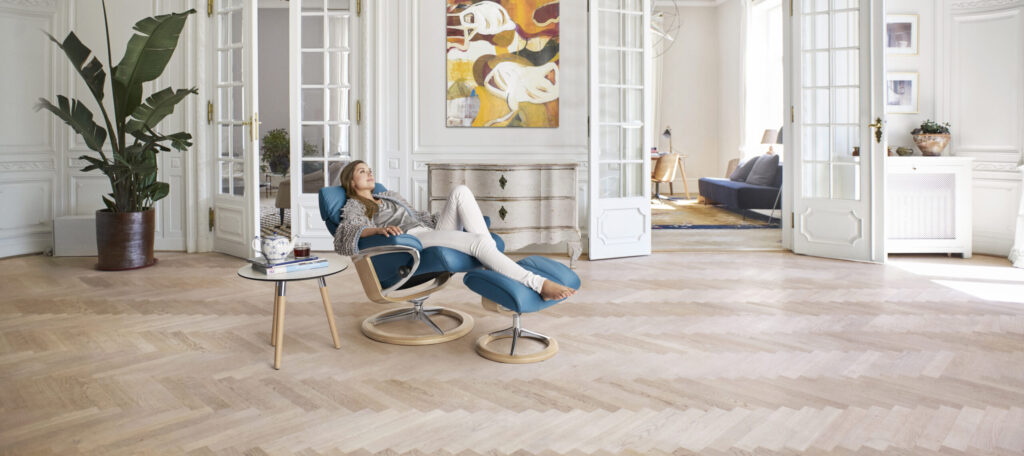
Gently recline back with your feet up or move into a comfortable seated position with a recliner chair. Our recliner chairs support your body from head-to-toe, minimising strain on your joints and spine.
High-Seat Chairs

Sofas and chairs that are low to the ground can make standing difficult. A firm, high-seat chair, such as our fireside chairs and traditional armchairs, feature supportive armrests to help you safely push up.
High-Back Chairs

One of the symptoms of osteoporosis include a hunched back due to vertebral fractures. Low-backed chairs and sofas can increase the risk of these fractures, whilst a high-back chair encourages upright posture.
Waterfall Backrests

Change your life and prepare for the future with a chair that works for you. Head down to your nearest showroom for your free chair fitting and try out the comfort for yourself.
Looking after your bone health is an essential part of maintaining your independence and quality of life as you age. Whilst factors like genetics and certain health conditions may be out of your control, small, consistent lifestyle changes can make a significant difference in keeping your bones strong and reducing the risk of fractures. From staying active and eating well to making simple adjustments at home and choosing supportive furniture, every step you take helps protect your future wellbeing.