



The Historical Evolution of Chairs
Chairs have come a long way over the years. Adapting to meet various human needs, from comfort and functionality to supporting posture and improving health. The evolution of riser recliner chairs is particularly interesting. They were initially created for the French military in the 1850s. Allowing military members to use them as a chair, bed or chaise longue. They then became a popular piece of furniture outside of the military, and Napoleon’s nephew, Napoleon III, even owned one!
Originally, these chairs were manually operated, requiring physical effort to adjust their position. Materials like wood and leather were common, with limited ergonomic support. However, as technology advanced, riser recliners evolved to include motorised functions. Making them a great choice for anyone who needs a little extra help reclining or rising to their feet.
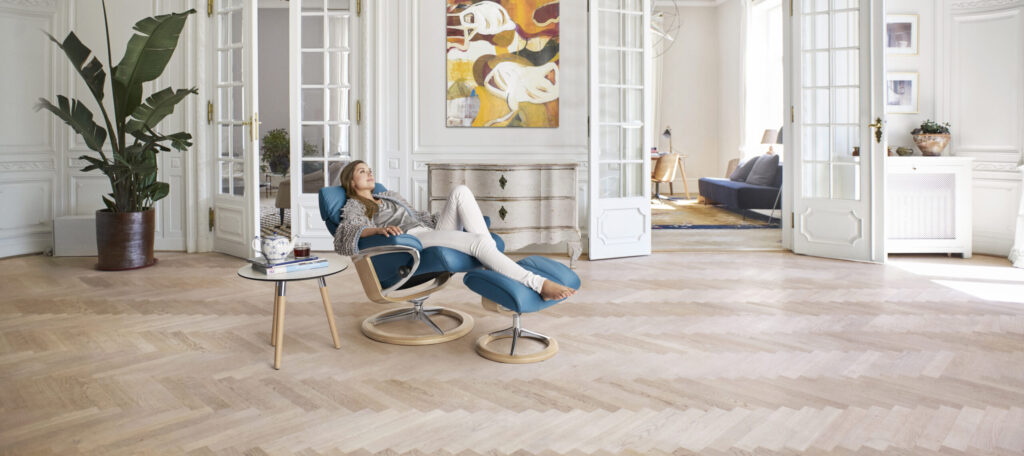
Modern-day riser recliners feature either single or dual motors allowing you to adjust the chair’s position at the touch of a button. Modern designs are also ergonomic, designed to support those with health issues like arthritis and hip, neck or back pain. HSL's riser recliner chairs stand out with unique features like additional heat options and extended frame guarantees. Ensuring longevity and user satisfaction.
The long history of chairs – and riser recliners in particular – highlights just how far things have changed when it comes to improving everyday comfort and ensuring people with specific health needs are supported.
Examples of Early Chair Designs
We can find evidence of chairs existing throughout history, dating back to the Ancient Egyptian period.
Depictions show that various types of chairs were used during Ancient Egyptian times, including stools, benches and thrones. These were typically much lower to the ground than modern-day chairs.
There is also evidence of Greek chairs dating back to six or seven centuries BCE. If you ever visit the Parthenon in Athens, take a look at the frieze. There, you’ll see Zeus sitting on a square seat that’s decorated with winged sphinxes.
In both ancient Egypt and Greece, chairs were status symbols. The wealthy and powerful sat down, while everyone else stood.
In China, it was typical for people to sit on the floor or on sitting mats. Although there are images of chairs from the sixth century, it wasn’t a common practice back then. In fact, it wasn’t until the twelfth century that chairs became more widespread in China.
During the Renaissance period in Europe, chair designs became more ornate and artistic. The Renaissance introduced intricate carvings, upholstery, and a variety of materials like velvet and leather. Showcasing craftsmanship and reflecting the fashions of the time. As in earlier times, chairs were often seen as status symbols – the higher the back and the more ornate the detailing, the wealthier the owner was.
Key Innovations in Chair Designs
The evolution of chair design is marked by several key innovations that transformed their functionality and comfort.
As early as the Ancient Egyptian period, chairs were made with four legs. A huge improvement on traditional stools and benches previously used. Chairs with four legs offer a much more stable and comfortable seating experience. This was important because chairs in this period were reserved for the wealthy.
The Greeks liked to make chairs from marble, showcasing their wealth. Whilst chairs during the Renaissance and pre-industrial periods were usually made from wood. With Modernism in the early to mid 20th century came plastic chairs.
Early chairs weren’t necessarily comfortable, nor were they made to be supportive. The rise of ergonomic chairs came in the late 20th century with the development of the Ergon in 1976. That was the world’s first ergonomic office chair, and it’s transformed the way people sit. Today, many chairs are ergonomically designed. Crafted to support the body’s natural posture and reduce strain on the back, neck and shoulders.
The Evolution of Comfort Technology with HSL
HSL has been at the forefront of furniture evolution. For the last fifty years, combining traditional craftsmanship with innovative features to ensure that modern users are supported and comfortable.
One of the key areas of development has been in cushioning and padding. Our furniture is designed to make you feel good, with support for your neck, back and hips. With a range of sizes to cater to every individual. Another key advancement we’ve made is the heat technology that’s available with some of our riser recliner chairs. All of these innovations improve posture and can help to reduce those aches and pains that can come when you’re not properly supported while sitting.
All of our chairs are developed in consultation with leading experts in posture and wellbeing. Our independent occupational therapist Julie Jennings Dip COT HCPC thoroughly evaluates our ranges and provides training to our Comfort Specialists.
We’re proud to have partnered with the University of Leeds on a research study exploring the physiological effects of sitting in a properly fitting HSL chair.
Our results provide reassurance that choosing the right chair not only enhances comfort but also supports long-term health and wellbeing. That means that when you use our exclusive Chair Fitting Service, you can rest assured that you’re being supported by an expert.
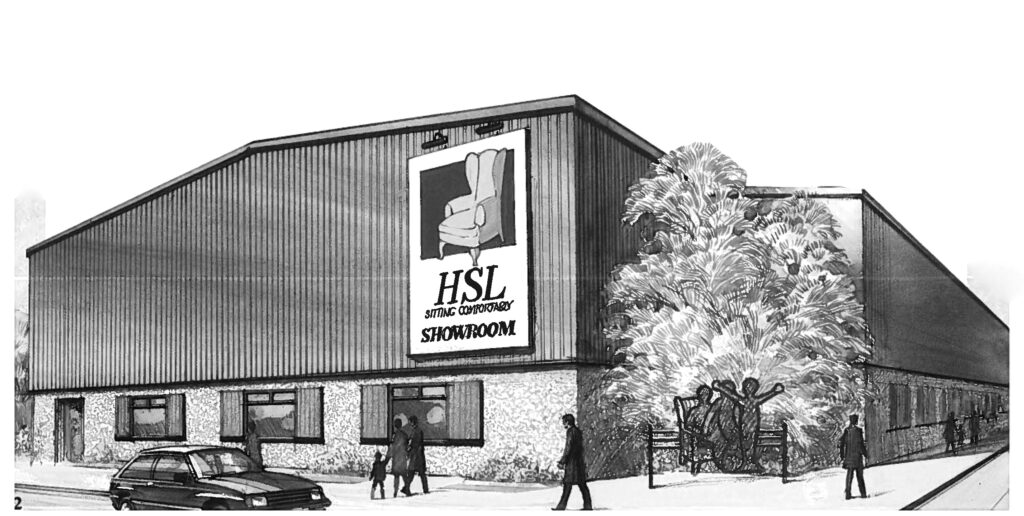
Head into your nearest Showroom today and experience our FREE, exclusive Chair Fitting service. Our Comfort Specialists will take you through the 7 points of contact between the body and chair. This enables our team to recommend a chair for suit your needs and posture.
Find a showroom today to find your perfect chair. Plus, we also offer a Home Visit service so there’s no need to worry if you can’t make it to one of our showrooms.