


How well do you sleep?
A recent study by Aviva suggested that the UK is amongst the worst sleepers in the world. In a survey of 1,000 people aged over 18, 37% of Britons said they did not get a sufficient amount of sleep.
The study involved 13 countries, with India scoring the best with 9% of people getting insufficient sleep. Out of the survey, 29% of families said they prioritise sleep over eating healthily and reducing sugar intake. However, for the Brits, only half (51%) of parents said they ensure their children are getting the right amount of sleep. And, 49% admitting to using 'going to bed later' as a reward.
Furthermore, achieving more sleep was the second greatest health ambition for Brits, behind wanting to lose weight. So, why do the people of Great Britain get such little sleep?
Sleep & Culture
Experts have answered this question by saying that modern British culture is at fault. Quite simply, British culture undervalues the importance of a restful night’s slumber, viewing people who spend a long time in bed as either weak or lazy. Figures like Winston Churchill and Margaret Thatcher were admired for functioning on as little as four hours sleep per night. As a result were often seen as strong leaders.
On the importance of sleep, HSL’s independent Occupational Therapist, Julie Jennings Dip COT HCPC states that: “Sleep is an essential part of being healthy and enables us to perform our everyday daily demands. The fact is that resting well can help our body to grow, develop, repair and restore itself; failure to do this risks a whole host of other health implications. Put simply, sleep provides us with a natural restorative period that our bodies need.”
The idea of getting a good night’s sleep develops from an early age. It's thought that these values are not being passed onto our children. Therefore, what are the best ways to effectively overcome the sleep barrier that many of us face?
Keep to a schedule
The importance of keeping a strict bedtime routine should not be overlooked when trying to achieve a great night’s sleep. Try not to deviate too much from weekdays, to weekends and even days off. Keeping a consistent sleeping pattern will help to reinforce your body’s sleep-wake cycle and promote a natural night’s sleep. If you fail to fall asleep within about fifteen minutes then try and do something relaxing and try again when you feel tired.
Avoid television for an hour before bed
Instead of watching television directly before bed, try to read a book or do something that doesn’t involve a screen. The blue light emitted from your phone and devices is particularly disruptive in trying to achieve a great night’s sleep. If viewing a screen is absolutely necessary before bedtime, then reduce the brightness of the device. However, listening to music or simply talking with friends and family is the best option.
Make your bedroom a sleep friendly environment
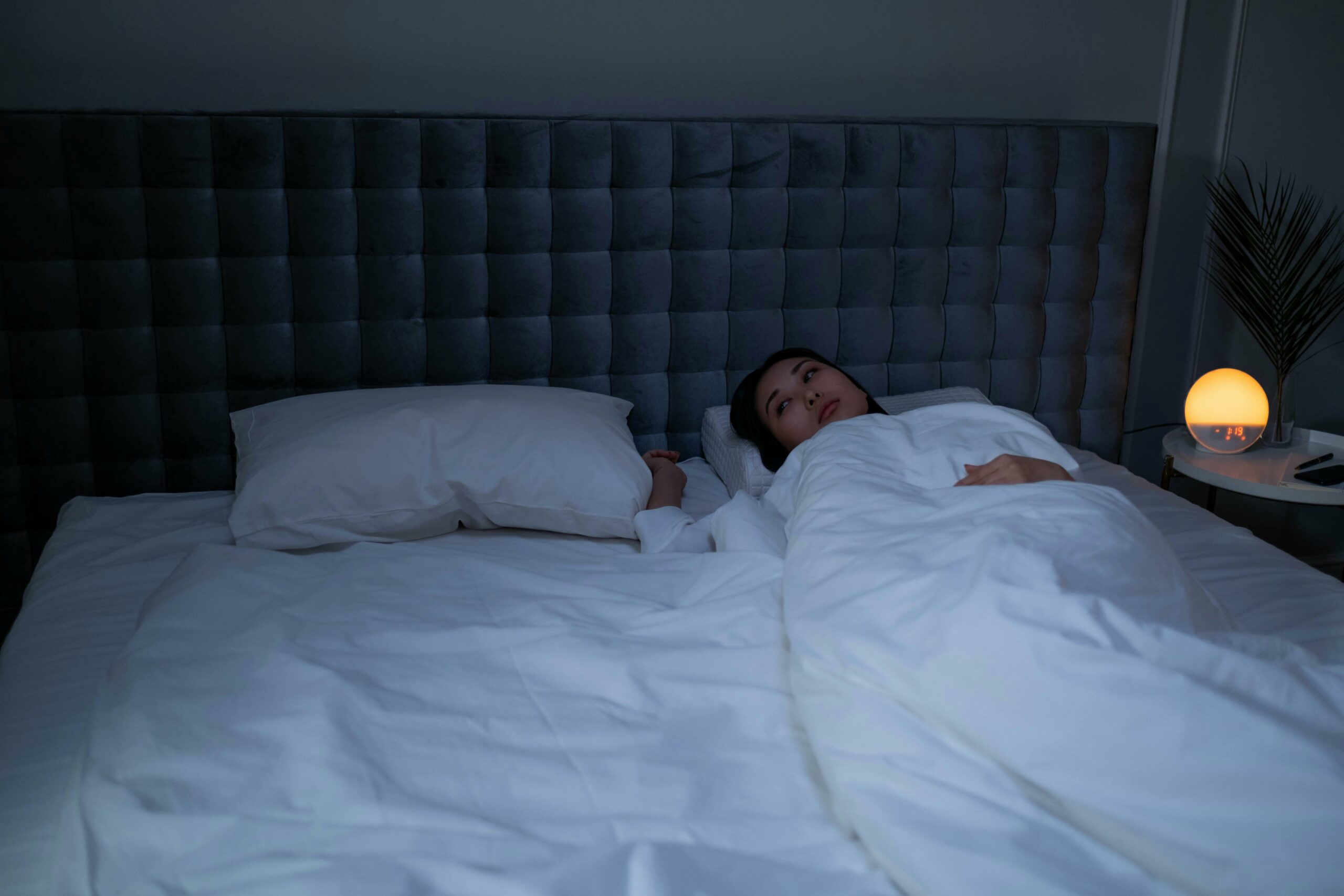
Your bedroom should serve as a relaxing environment when trying to get off to sleep. This is because there’s actually a really strong association in people’s minds between sleep and their bedroom. Having said this, there are certain things that weaken this association. For example, having TVs and other electronic gadgets or even a poor mattress could all result in a worse night’s sleep.
The ideal environment for your bedroom should be dark, quiet, tidy and fall in a temperature of 18 and 24 degrees centigrade. Try and install some thick blackout curtains and if you’re disturbed by surrounding noise, use ear plugs.
Keep a sleep diary
If you’re very serious about getting a great night’s sleep then the best thing to do is to monitor it. This could reveal lifestyle habits that could impact upon somebody’s ability to fall asleep. Indeed, if you seek advice from a GP, they will advise to keep a sleep diary in order to find a solution to your sleep problem.
It’s important to take a step back, consider if you fit into the category of a ‘sleepless Brit’. If the answer is ‘yes’, then it’s important to ensure that you follow the above advice to improve the quality and amount of sleep achieved. However, if problems get progressively worse then you should consider visiting your local GP.
If you’d like to learn more about our beautiful handcrafted adjustable beds and gloriously comfortable mattresses, then pop into your local showroom or book a free, no obligation, home visit and chat with one of our Comfort Specialists to see the difference our feel good furniture can make for you.