

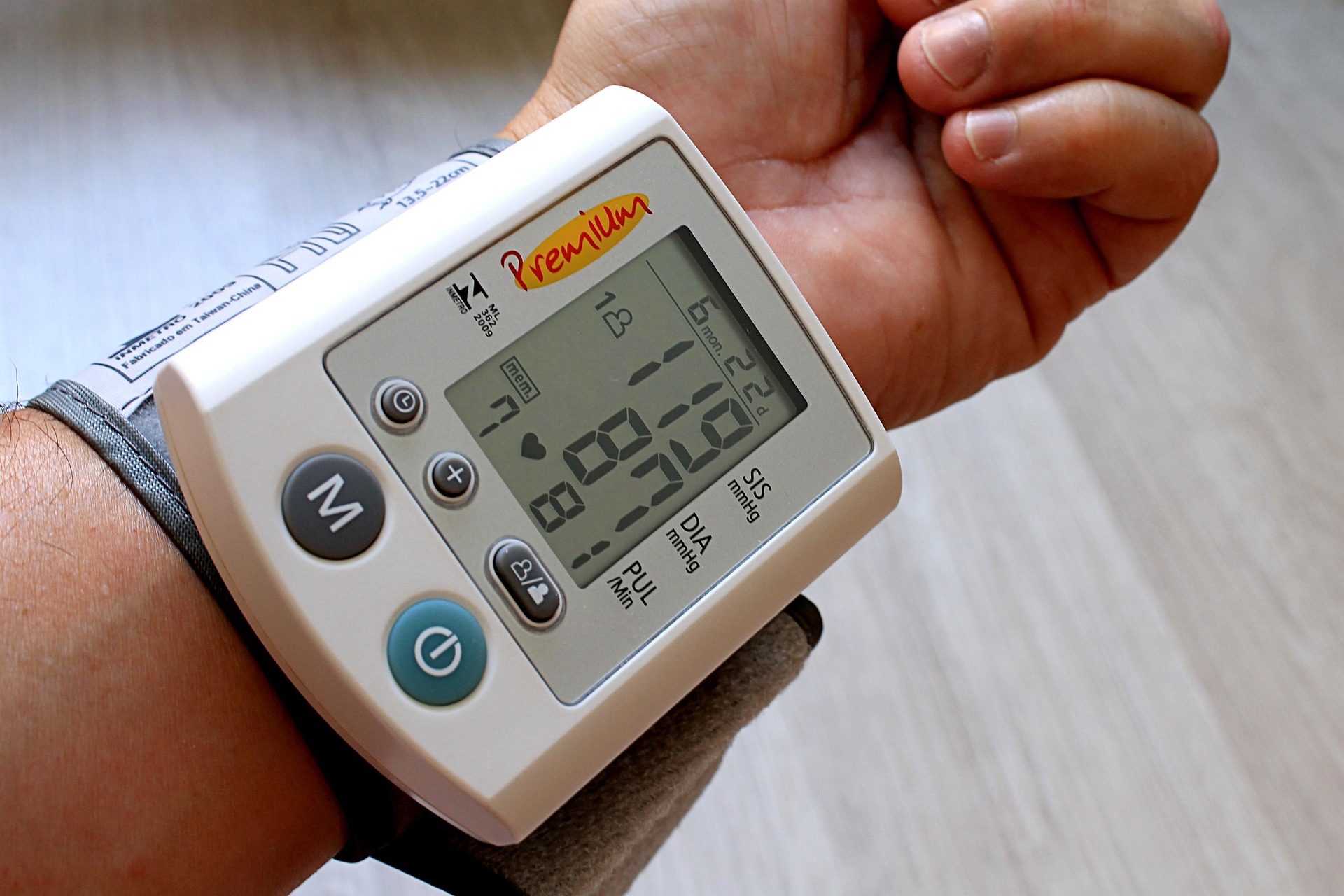
What is blood pressure, and why does it matter?
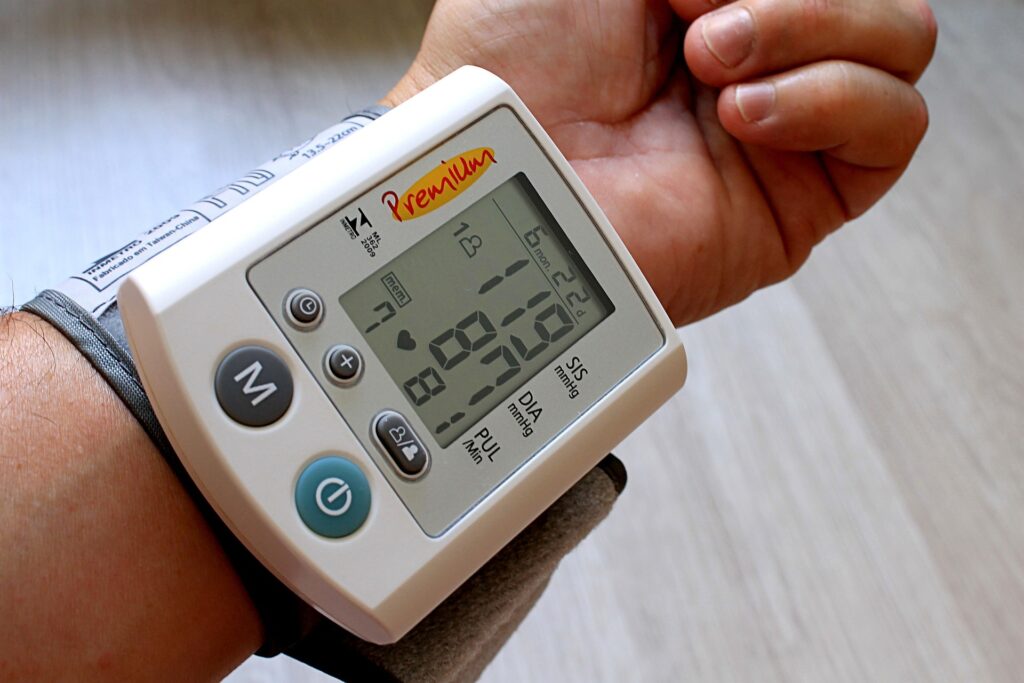
Every year Blood Pressure UK runs Blood Pressure Awareness Week from the 7th – 13th September. This year’s theme is “You know your age, do you know your numbers?” and focuses on home blood pressure monitoring to find and control undiagnosed high blood pressure.
Blood Pressure Awareness Week aims to educate and raise awareness of high blood pressure, encouraging adults to get their blood pressure checked and understand what the results mean.
At HSL, we advocate for better health and wellbeing, from promoting chairs for cardiovascular issues and circulation to working with leading experts and professionals in mobility, health and research.
What is a healthy blood pressure reading?
When taking your blood pressure reading, you’ll be given a range of numbers, these are systolic pressure and diastolic pressure.
The top number is your systolic pressure. This is the peak pressure in your arteries when your heart beats and pushes blood out. Health professionals often use this number to predict the likelihood of a stroke or heart attack.
The bottom number is your diastolic pressure. This is the lowest pressure in your arteries when your heart rests between beats and ensures your heart muscle receives a steady supply of blood and oxygen during its resting phase.
| Blood Pressure Category | Systolic mm Hg (Top Number) | Diastolic mm Hg (Bottom Number) | |
| Normal | Less than 120 | And | Less than 80 |
| Elevated | 120 - 129 | and | Less than 80 |
| High Blood Pressure (Hypertension Stage 1) | 130 – 139 | or | 80-89 |
| High Blood Pressure (Hypertension Stage 2) | 140 or Higher | or | 90 or Higher |
| High Blood Pressure (Hypertension Stage 3) | Higher than 180 | And / or | Higher than 120 |
If you’re not sure what your results mean, check the NHS’s blood pressure reading tool.
Get in touch with your GP if you get symptoms such as dizziness and fainting, or if you’re worried about your results.
How sitting for long periods affects your circulation
The average adult sits for around 9 hours per day, this includes working in an office, watching TV and travelling.
Prolonged sitting slows blood flow to your lower body. This can lead to fluid build-up, swollen ankles and can increase the risk of blood clots, like deep vein thrombosis (DVT).
The NHS advises able-bodied adults to move more and sit less, with sitting for long periods of time being linked to obesity and type 2 diabetes. On top of this, long periods of time being sat down can cause poor posture, leading to back, hip and neck pain.
British Heart Foundation allege that spending less time watching TV could cut the risk of coronary heart disease, stating that “those who watched less than an hour of TV had a relative 16 per cent lower rate.”
Around 150 minutes of exercise is recommended each week, and when possible, to stand up. This can be by standing on the bus, stretching at your desk and going for a walk.
How the right chair can make a difference
Sitting in the right chair can help improve your health and wellbeing. At HSL, we offer a free chair fitting to make sure you’re sat in furniture with the correct height seat, lumbar support and comfort. Our chair fitting service has been specially designed by our independent occupational therapist, Julie Jennings, so that we can find the perfect match for you.
Our Chair fitting service checks:
- Hip Position
- Seat Height
- Seat Depth
- Seat Width
- Back Support
- Neck and Head Support
- Arm Positioning
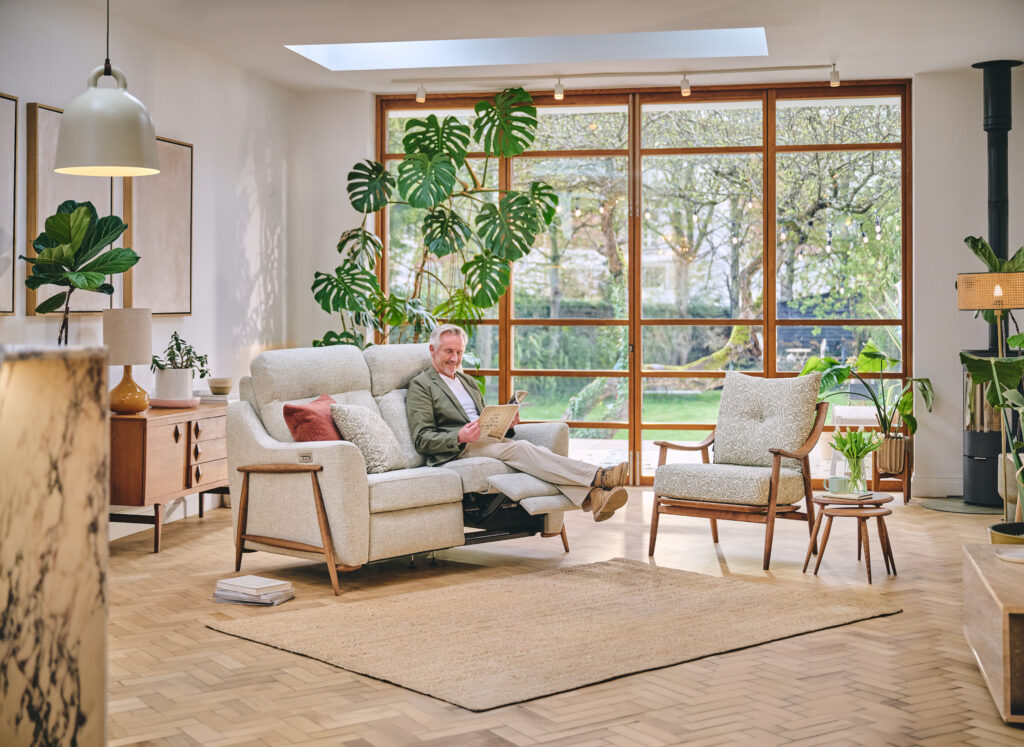
Having the right chair that suits your body can have a positive impact on your health, with improvements to your circulation, metabolism and may help with symptoms of joint pain and arthritis. Choosing a chair that includes a reclining feature may help reduce leg pressure, by bring your feet level with your heart and helping with circulation and swelling.
For more information, read our article how the correct chair can improve mobility and independence.
Why riser recliner chairs are particularly beneficial
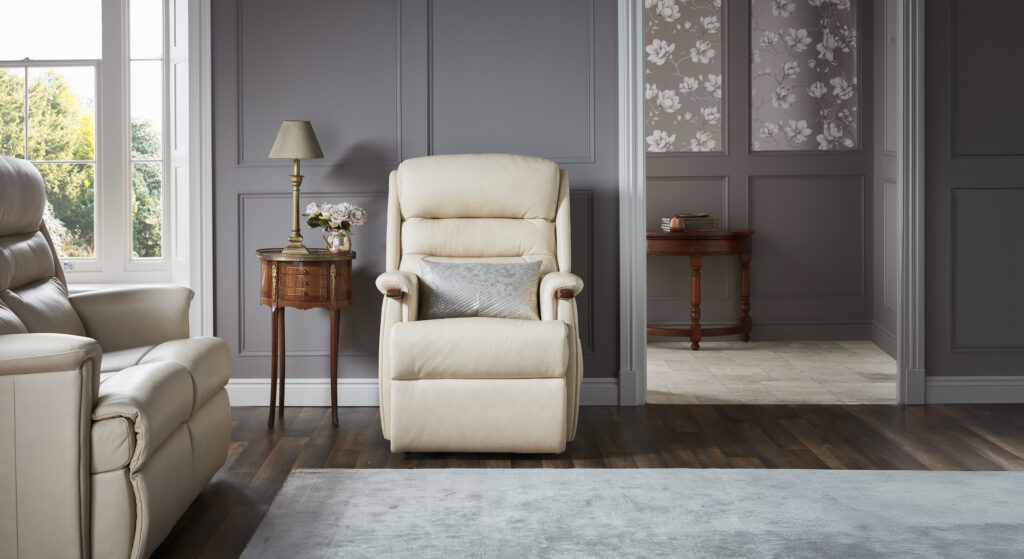
Riser recliner chairs are the ideal solution for someone circulation issues or lower mobility. The rising feature offers support when standing up or sitting down, making movement easier and helping you stay active throughout the day. Regular movement is important for maintaining good circulation, particularly if you spend long periods seated.
Zero-gravity positioning helps take pressure off the body by gently raising the legs above the heart. This encourages healthier blood flow, helping to reduce swelling in the feet and ankles while easing strain on joints and muscles. Many people also find it promotes a greater sense of relaxation and comfort.
Together, these features provide comfort, confidence and support, helping you sit well, move more easily and enjoy everyday life with greater ease.
5 tips for supporting healthy blood pressure at home
1. Stay Hydrated
Drinking enough water helps your heart pump blood more efficiently around the body. Even mild dehydration can make blood pressure harder to regulate, so keeping a drink nearby throughout the day can support your overall wellbeing.
2. Take Regular Breaks from Sitting
Long periods of sitting can affect circulation and blood pressure. Standing up, stretching or taking a short walk every hour helps keep blood flowing and supports a healthier cardiovascular system.
3. Enjoy Gentle Movement and Exercise
Activities such as walking, stretching or light exercise can help strengthen the heart and improve circulation. Regular movement can play an important role in maintaining healthy blood pressure over time.
4. Manage Stress
Stress can cause temporary increases in blood pressure. Taking time to relax, practise mindfulness or enjoy a favourite hobby can help you feel calmer and support better heart health.
5. Monitor Your Readings
Keeping track of your blood pressure at home helps you understand what's normal for you. Regular monitoring can also help you spot changes early and discuss any concerns with your healthcare professional.
Gentle chair exercises to keep your blood flowing
Chair exercises are a great way to engage your body and help with circulation, here are 4 easy chair exercises you can do from home. If you’d like more recommendations, here are 10 easy seated exercises.
1. Seated Marching
Lift one knee at a time as though you're marching on the spot while seated. This gentle movement helps improve circulation in the legs and can get the blood flowing without putting strain on the joints.
2. Ankle Rolls and Foot Pumps
Slowly rotate your ankles in circles, then point your toes away and back towards you. These simple movements encourage healthy circulation in the lower legs and may help reduce stiffness after sitting for a while.
3. Seated Arm Raises
Lift your arms out to the sides or overhead, then lower them slowly. This gentle exercise helps keep the upper body moving and can support flexibility and circulation.
4. Seated Side Stretches
Sit tall and reach one arm overhead while gently leaning to the opposite side. This helps stretch the muscles of the back and torso, encouraging mobility and promoting a sense of relaxation.
As with any exercise, move at a comfortable pace and stop if you feel any pain or discomfort. If you have any health concerns, speak to your healthcare professional before starting a new exercise routine.
When to speak to your doctor
While simple lifestyle changes can help support healthy blood pressure, they're not a substitute for professional medical advice. If you have any concerns about your blood pressure, symptoms or overall health, speak to your GP or healthcare professional.
At HSL, we're passionate about helping people live more comfortably and independently at home. From supportive seating to helpful wellbeing advice, we're here to support your everyday comfort, while trusted healthcare professionals provide the medical guidance that's right for you.
If you need help finding the perfect chair for you, try out our buying guide or visit your nearest showroom.