

What is Osteoporosis?
Osteoporosis is a health condition that weakens bones, leaving them more fragile and more likely to break. It develops slowly over the course of a few years and is often diagnosed after a fall, or a sudden impact causes a bone to break.
Early Symptoms
Osteoporosis is described by Cleveland Clinic as a “silent disease” as there aren’t many early warning signs. Potential warning symptoms include receding gums, weakened grip strength and brittle nails, but these usually occur after significant density loss.
Symptoms
Once the disease has advanced, Osteoporosis symptoms can be seen physically, and the person will experience pain. Royal Osteoporosis Society shares that the most common signs include easily broken bones, especially in the hip, wrist or spine. A person may experience a loss in height and stooped posture; this is caused by compression in the spine. Other symptoms include intense back pain and shortness of breath.
Diagnosis
If you believe you may have developed Osteoporosis, speak to your GP immediately.
Osteoporosis is diagnosed primarily through a bone density scan (DEXA or DXA scan). The scan measures your bone mineral density (BMD) at the hip and spine to calculate a T-score. Other risk assessment tools can be used by a professional too.
Treatment
The decision to treat Osteoporosis depends on your risk of breaking a bone in the future. Otherwise, Osteoporosis treatment includes preventing fractures, usually by taking medicine to strengthen the bones.
Is Osteoporosis hereditary?
Osteoporosis can be hereditary. Having a family history, including a parent or sibling, with Osteoporosis puts you at greater risk.
Other risk factors include:
- Women are much more likely to develop the disease.
- You’re more likely to develop Osteoporosis as you age.
- People who have a smaller body frame tend to have a higher risk, possibly because they have less bone mass to draw from.
Can Osteoporosis be prevented?
Osteoporosis isn’t preventable but staying physically active and getting enough vitamin D are the best ways to support your bone health. Your doctor will advise what treatments you’ll need.
How can HSL help?
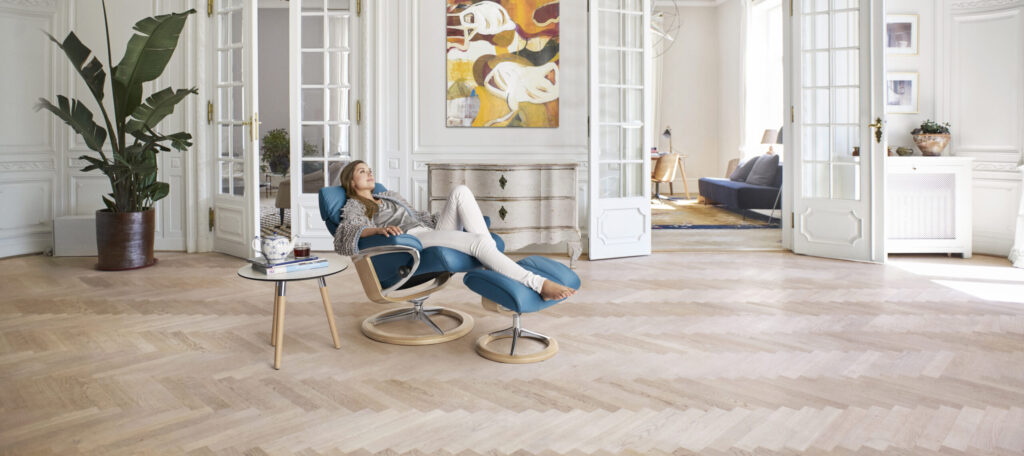
At HSL, our chairs are ergonomically designed to help your body and wellbeing. This means that not only is your spine aligned, but our chairs can reduce pressure from pains. Our chairs are designed with Clever Comfort™, a design principle to make sure you’re comfortable whilst your body is positioned correctly.
Our designs help relieve your body of pressure, supporting your joints and bones as they relax and helping prevent fractures and broken bones. On top of this, each chair, including our fireside chairs and armchairs, feature high-seats, high-backs and sturdy armrests so you can get in and out of your chair more easily.
And, if you’re in need of extra support, our riser recliners and recliner armchairs provide what you need with a smooth reclining motion to put your legs up.
If you’re already set up with a suitable chair, an adjustable bed will make your sleep more restful. Rise and recline at the touch of a button, elevate the head, neck and shoulders for a relaxed position and elevate your feet evenly to distribute body weight. Adjustable beds are a great way to prevent pressure on the spine and hips, whilst making getting in and out significantly safer, reducing the risk of falls.
You might never know you have osteoporosis until you suddenly break a bone or have a big fall. But before the worst can happen, your healthcare provider can help you stay on top of your bone health. And, with professional help and advice, you can keep your bones stronger and maintain your health.