


Every day discomfort at home is something many people live with.
You might notice your lower back starts to ache after sitting for a while. Your hips may feel tight when you stand up. Your knees might feel strained when getting in and out of a chair. Poor support can also leave your neck and shoulders feeling tense. And if you stay in one position for too long, it is easy to end up feeling stiff and stuck.
It is a common experience, and one that is often easy to overlook. But the chair you sit in every day can make a bigger difference than many people realise.
The right chair will not “fix” pain, but it may help reduce avoidable strain and support your body more comfortably through the day. That is why it is worth taking a closer look at the seating you use most often at home.
Explore HSL’s range of supportive seating options here.
Could your chair be making discomfort worse?
A chair that does not suit your body can make everyday aches feel more noticeable.
If a seat is too low, it can be harder to stand up and may put extra strain on your hips and knees. If it is too deep, you may not be able to sit back properly, which can leave your lower back without the support it needs. A chair that is too soft can allow the body to sink into awkward positions, whilst poor lumbar support may leave the spine unsupported.
Limited movement can also play a part. If your chair does not let you change position easily, pressure and stiffness can build over time. Even unsupported legs and feet can affect your posture all the way up the body.
This is not about curing pain. It is about helping your body feel better supported and reducing strain that may be making discomfort worse.
Which chair features may help with common aches?
Lower back pain or aching
Lower back discomfort can often feel worse when the spine is not properly supported. If you cannot sit back comfortably, or if your posture starts to slump over time, it can put extra strain on the lower back.
Helpful chair features may include a supportive backrest, good lumbar support and the correct seat depth so your back can rest properly. Recline positions can also help reduce pressure, whilst tailored sizing may support better overall posture.
The main benefit is simple. A well-fitted supportive chair helps the body feel more evenly supported and may reduce the strain caused by slouching or unsupported sitting.
Read more about relieving lower back pain.
Stiff hips
Stiff hips can feel even tighter when a chair is too low, too deep or difficult to get out of. Sitting and standing may start to feel like more effort than it should.
Helpful features may include a riser function to help with standing, the correct seat height, a supportive seat cushion and smooth recline adjustment to make changing position easier. A chair that fits properly can also help your knees and hips rest at a more comfortable angle.
This may make it easier to sit down and stand up, with less effort and less pressure on the hips.
Read more about how to relieve hip pain.
Sore knees or leg strain
Getting out of a low chair can put extra pressure on the knees, especially if you need to push up from a deep or unsupportive seat.
Helpful features may include rise assistance, the right seat height and support under the thighs. A supportive footrest in reclined positions can also help the legs feel more comfortable while resting.
The benefit is that it may reduce the effort needed to stand and support the legs more comfortably through the day.
Neck and shoulder tension
If the upper body is not supported well, muscles in the neck and shoulders can start to tense up. This often happens when people hunch forward or crane the neck because the chair is not giving enough support.
Helpful features may include a well-shaped back cushion, support for the upper back and shoulders, headrest support where needed and recline positions that help reduce upper-body tension.
These features may encourage a more relaxed sitting position and reduce the need to hunch or hold tension in the neck and shoulders.
General stiffness from sitting too long
Sitting in one position for too long can leave the body feeling stiff, heavy and uncomfortable. Even a comfortable chair may start to feel less supportive if it does not let you move and adjust easily.
Helpful features may include easy recline adjustment, support in different sitting positions, pressure-relieving comfort features where suitable and smooth movement between positions.
This makes it easier to change posture during the day, which may help reduce that “stuck” feeling.
Read more about choosing the perfect fitting chair.
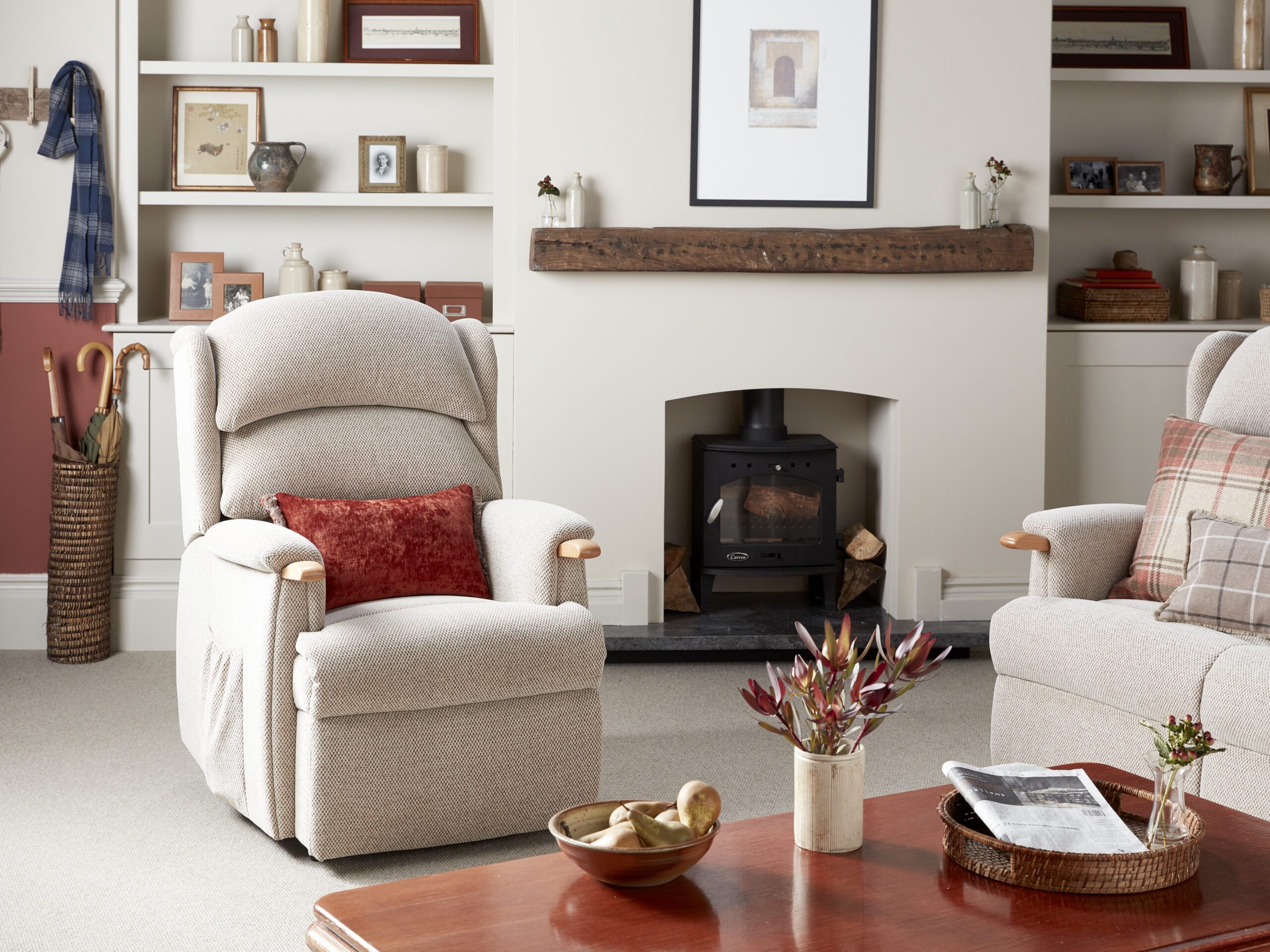
Your Chair Size matters just as much as its features
Even the best chair features may not feel right if the chair is the wrong size for the person using it.
That is why chair fit matters just as much as comfort features. Things like seat height, seat depth, seat width, back height, arm height and leg support all affect how well a chair supports your body.
A chair should support you properly from head to toe. The right fit helps you sit back comfortably, keep your feet in a natural position and enjoy the full benefit of the chair’s support.
This is also why a tailored approach can make such a difference. At HSL, comfort is not one-size-fits-all. A chair that suits one person may not suit another, even if they both like the same style.
HSL furniture is approved by Julie Jennings Dip COT HCPC, which reflects the importance of good support and proper fit when choosing a chair for everyday comfort.
HSL riser recliners are designed for comfort and support
HSL riser recliners are designed with comfort, support and ease in mind.
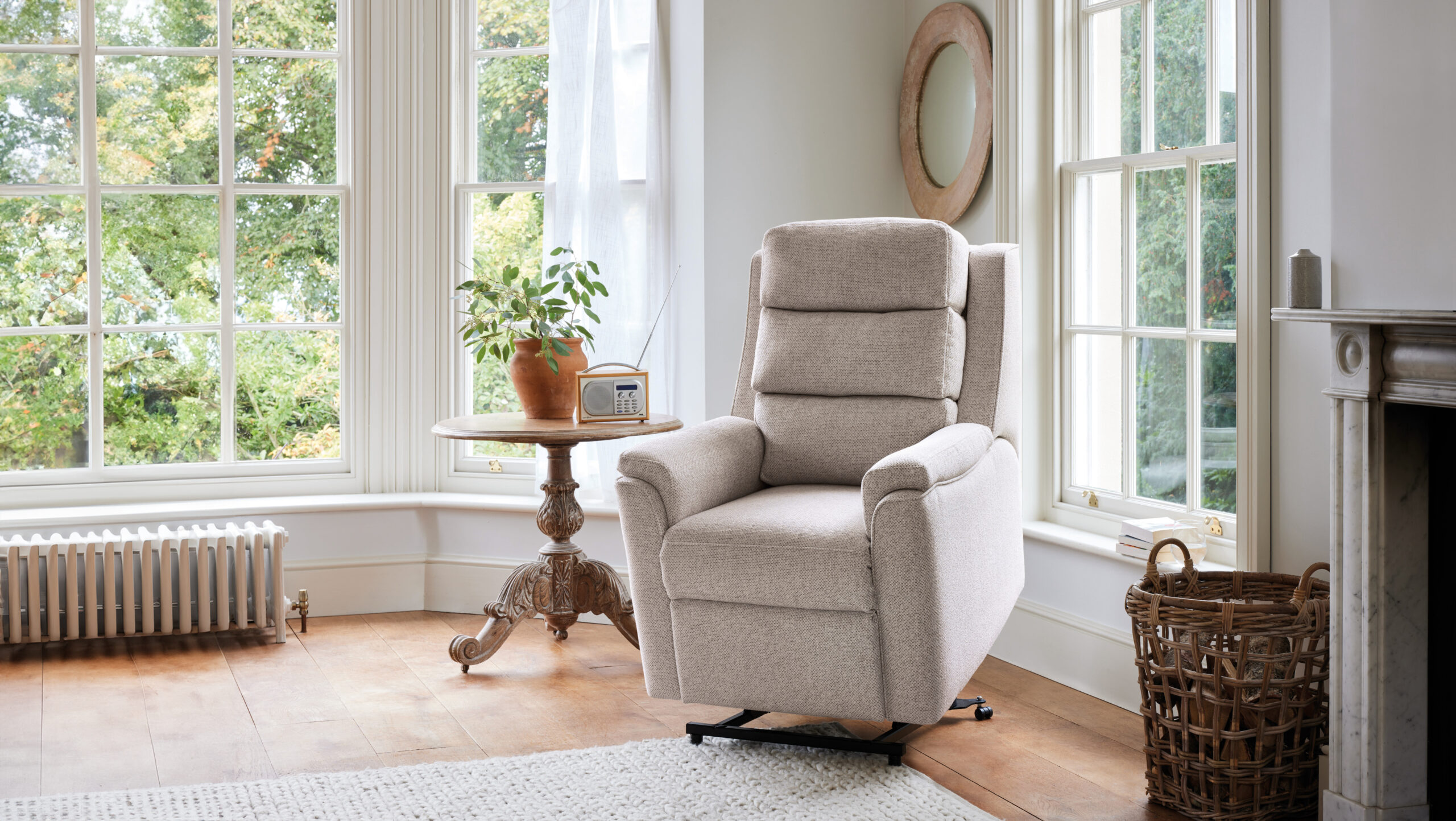
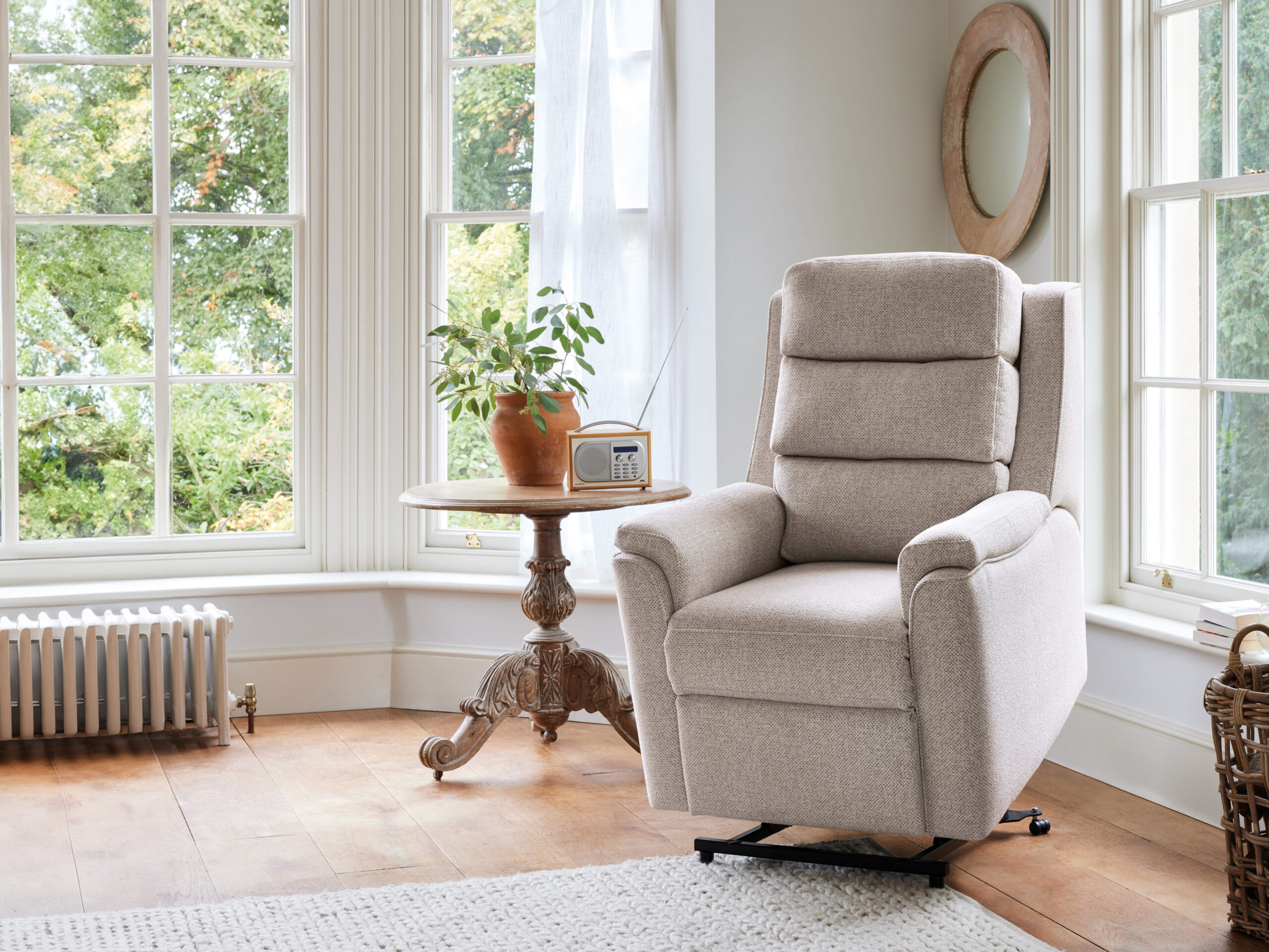
They offer supportive seating options for different needs, along with a riser function that can help make sitting down and standing up feel easier. There is also a choice of back styles and support options, so you can find a feel that suits your body and your comfort preferences.
Because fit matters so much, HSL also offers tailored fitting and personal comfort assessments. This helps make sure the chair supports you in the right places and feels comfortable for the way you sit and relax at home. You can also try chairs in store, so you can get a better sense of what feels right before making a decision.
HSL is also proud to work with the University of Leeds to research the physiological impacts of sitting in an HSL chair that fits you. Leading that research is Dr Andrea Utley, a Reader in Motor Control and Learning in the School of Biomedical Sciences.
When to seek medical advice
If pain is new, severe or getting worse, it is always best to speak to a GP or healthcare professional.
But if everyday sitting feels uncomfortable, reviewing your chair may be a helpful place to start. A better-fitting, more supportive chair may help reduce avoidable strain and make daily life feel more comfortable.
If you would rather explore options at home, you can arrange a Home Demonstration. HSL’s Comfort Specialists will be delighted to provide the same feel good service you would expect in our showrooms, from the comfort of your home.