


Your living room is where you go to relax, and to spend time with friends and family. It’s crucial that it’s comfortable – but there’s an additional element when it comes to elderly people. For elderly family members, living rooms must not only be comfortable but also safe and easy to use.
When designed thoughtfully, a living area can help older people to maintain their independence while reducing the daily challenges they might face in terms of limited mobility, changes to their vision, or other age-related concerns.
Making a few simple, strategic adaptations to your living space can transform an ordinary room into a welcoming environment that makes it easier to move around, get in and out of seats, and helps elderly relatives to have significantly higher levels of daily comfort and independence. From choosing the right size of recliner chair to arranging the furniture in a logical way, here’s everything you need to know.
Key Considerations for a Senior-Friendly Living Room
When designing the perfect living room for elderly relatives, there are a few key considerations that should drive your decision making.
Safety should be your first concern. It’s vital that any space where older people will be spending time is designed to minimise the risk of accidents. That means you should look to prevent falls and accidents by eliminating trip hazards like loose rugs, electrical cords, low tables and furniture in awkward places.
Comfort, of course, is another key consideration. Furniture shouldn’t just be functional – it should also be comfortable. This is particularly important when it comes to the unique needs of older individuals. Look for seating with plenty of cushioning and support in key areas like the hips, lower back, neck and shoulders. They may also benefit from riser recliner chairs, which make it easier for individuals to rise to their feet with a simple touch of a button.
And finally, you should think about ease of movement. Make sure that you create a clear, clutter-free space that’s easy to navigate. When chairs and tables are awkwardly placed, it makes it much more difficult for individuals using mobility aids like walkers, canes and wheelchairs. But by keeping your living room organised, you’ll help your loved ones to navigate the space with confidence.
Furniture Layout Tips for Optimal Comfort and Accessibility
So, how can you make sure that your space is clear and comfortable for the elderly relatives in your life? As well as choosing the right chair for elderly people, it’s important to think about the way this furniture is set out in your room.
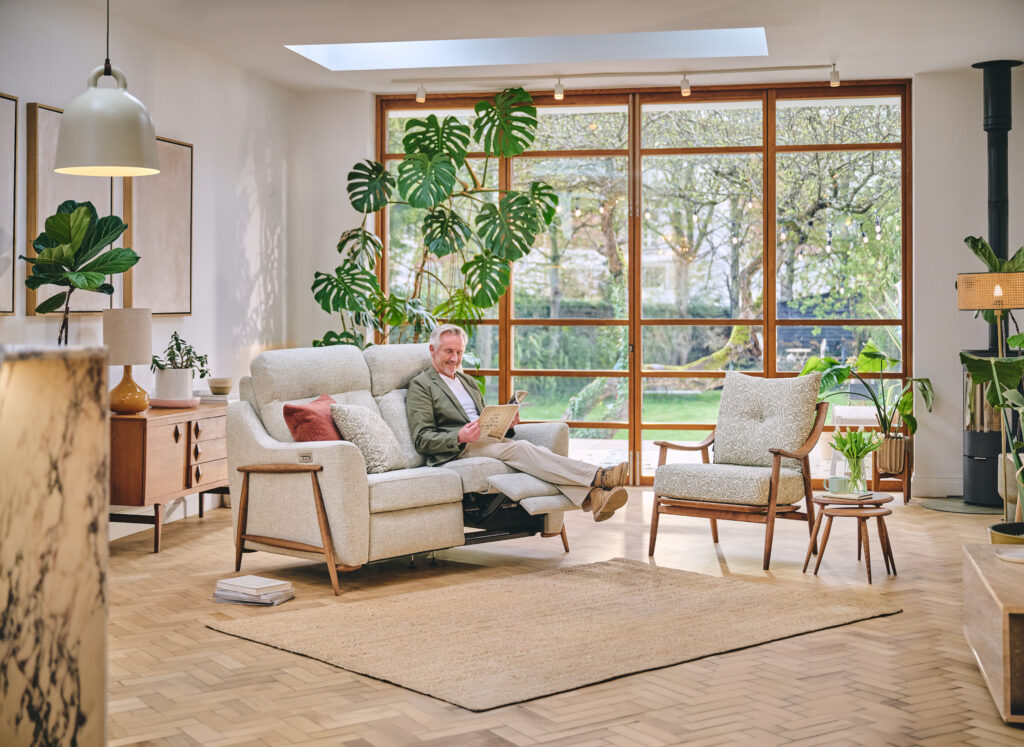
Creating an accessible layout begins with ensuring your seating and tables are arranged to maximise open floor space. That allows elderly relatives to move freely without needing to navigate. It’s a good idea to place chairs and sofas in a way that makes it easy to get in and out, without any obstacles, ideally with clear space on all sides to allow for easy entry and exit. It’s also important to have wide walkways between your furniture, if your relative uses any mobility aids.
And creating an accessible living room goes beyond your furniture. It’s also important to think about other features of the room, like lighting. Ensuring your room is well-lit can help to improve safety and reduce the risk of accidents. Consider combining overhead lighting with table or floor lamps to make sure that all corners of your room are well lit and any potential trip hazards are illuminated.
We also recommend keeping your living room clutter-free. That means keeping surfaces clear of decorative items, magazines and other clutter that could create obstacles. Instead, make sure you have dedicated storage areas that can keep frequently used items within easy reach.
Choosing the Right Furniture for Elderly Relatives
Riser Recliners
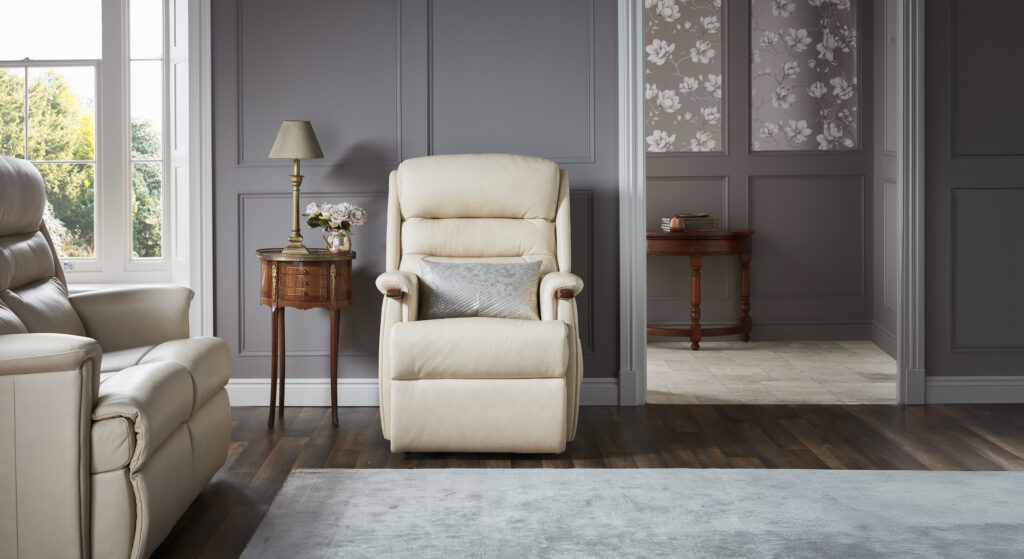
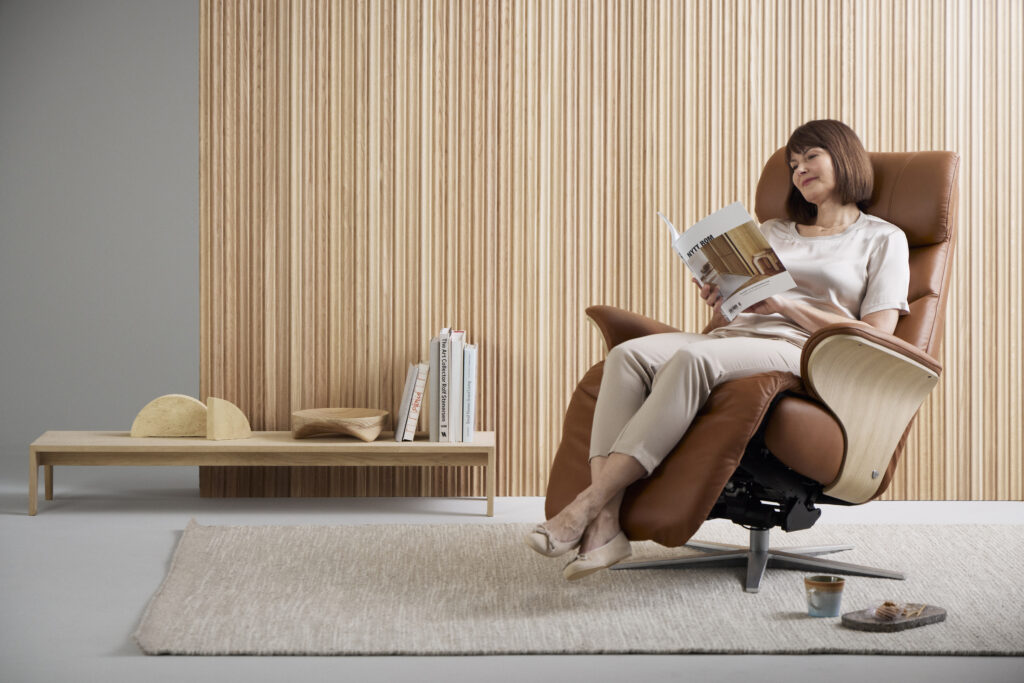
A riser recliner is the perfect option for older relatives. These seats offer motorised assistance, gently tilting and lifting the chair to help the user rise to a standing position. They also allow for either a seated or reclined position, as well as comfortable cushioning and support.
You can choose from either single or dual motor riser recliners. Single motor chairs operate the back and footrests simultaneously, while dual motor controls offer an extra layer of adjustability. They enable users to independently control and backrest and footrest when reclining, giving them more control to find a comfortable position.
Riser recliners also come in a variety of different designs, including different styles of back. If your relative has back pain, then an orthopaedic back may be the best solution for them with firm cushioning and a shape that mirrors the natural curve of the spine. If they need extra support in the neck, back and hips, then they may like a waterfall back. Find out more about choosing the perfect riser recliner chair in our comprehensive buying guide.
Manual Recliners
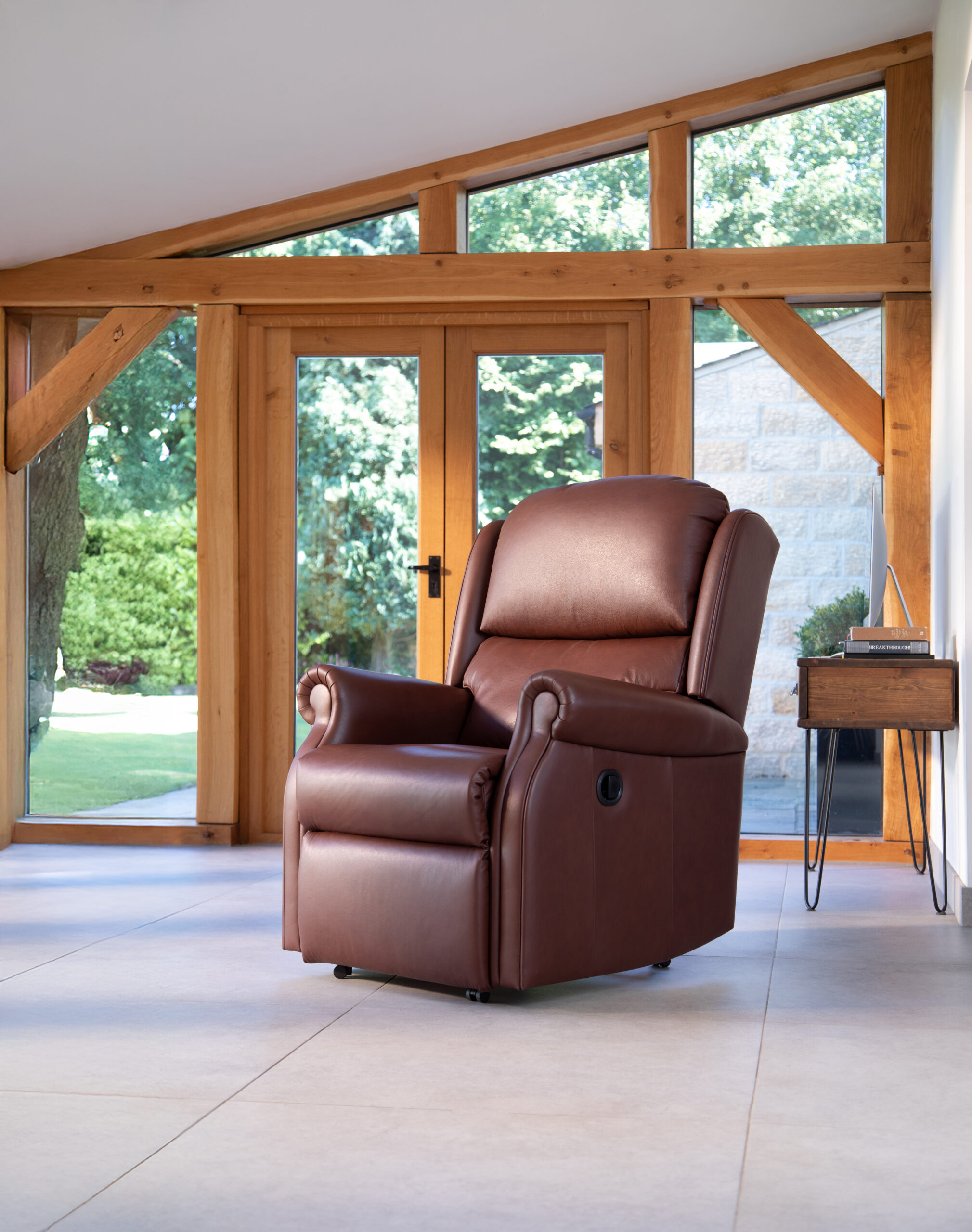
Manual recliners are another excellent option, and are typically more budget-friendly than riser recliners. They’re easy to operate, without the need for electric controls, which also makes them a great choice for those who prefer to keep things simple.
These types of chairs feature a simple catch mechanism that allows the backrest to recline smoothly whilst the footrest rises up to support the legs. And, as with riser recliners, they provide support for the lumbar, hips, and neck to ensure full support from head to toe. With no need to worry about power outages or mechanical failures, manual recliners are a simple, easy to operate option that offers all the comfort of more complex chairs. Discover all of our recliner chairs here at HSL.
Storage and Accessibility
One easy way of keeping your space clutter-free is by choosing furniture with built-in storage. Ottomans are the perfect example of smart furniture storage solutions. As well as acting as a comfortable footrest or extra seating, they also offer hidden storage – ideal for keeping blankets, books, or medication in.
Slipper boxes are another great choice. Sturdy enough to use as extra seating or a side table, they’re a stylish and practical way of storing knitting, books and magazines, keeping them close at hand without cluttering surfaces. You could also look at side tables with drawers, providing a handy place to store glasses, remote controls and personal items while keeping your room neat and tidy.
Discover practical furniture accessories and storage solutions here at HSL with our great range of accessories.
Additional Tips for Maintaining a Comfortable and Safe Living Room
If you want to create a living room that’s safe and comfortable for all ages, here are some top tips for ongoing organisation:
Regularly check for hazards
Frequently check for trip hazards like loose wires and slippery spots, as well as keeping an eye out for clutter that could pose a safety risk. You could pencil in one particular time each week to do a sweep of your living room, making sure that it’s easy to navigate and free from clutter.
Keep personal items accessible
While you want to avoid clutter, it’s also important to keep frequently used items within reach. A side table with built-in storage, an ottoman or slipper box are all ideal for ensuring glasses, remote controls, mediation, books and magazines are all easily accessible.
Encourage personalisation
Encouraging your elderly relatives to personalise their space with familiar, comforting items is a great way of making your living room feel like their own space. If you’re investing in a recliner or riser recliner for them, then you may also get them to choose their favourite leather or fabric. This personalisation can transform a functional piece of furniture into a piece they love, making them feel more secure, comfortable and genuinely at home.
If you have elderly relatives in your life, then creating a room that’s both accessible and comfortable is an investment in their independence, safety and overall wellbeing.
From strategic furniture placement and supportive seating choices to maintaining a clear and clutter-free space, making small adaptations can create a big impact. These modifications reduce the risk of injury and allow your relatives to maintain an active, comfortable and independent life for longer.
By making these simple changes, you can create a living space where your elderly loved ones can continue to socialise and thrive with comfort while minimising the risk to their comfort and safety.